


Why can eating cowpeas frequently lead to poisoning?

Eating yardlong beans regularly can lead to poisoning, primarily due to insufficient cooking, the presence of phytohemagglutinin and saponins, improper storage causing spoilage, or inappropriate cooking methods. These factors may result in residual toxins or the production of harmful substances, leading to physical discomfort. If symptoms such as vomiting, diarrhea, or dizziness occur after consuming yardlong beans, prompt medical attention is recommended.
1. Insufficient cooking: The toxins in yardlong beans must be destroyed by high temperatures. If the beans are not thoroughly cooked, the toxins remain undecomposed and can irritate the gastrointestinal tract, causing nausea, abdominal pain, and other signs of poisoning. This is the most common cause.
2. Presence of phytohemagglutinin: Raw or undercooked yardlong beans contain phytohemagglutinin, a substance that can agglutinate intestinal cells, impair digestion and absorption, and potentially damage the intestinal mucosa, resulting in symptoms such as vomiting, diarrhea, and fatigue.
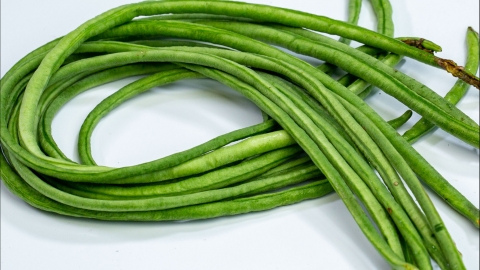
3. Saponin content: Saponins in yardlong beans are highly irritating to the digestive tract mucosa. When the beans are undercooked, residual saponins can cause a burning sensation in the oral mucosa, nausea, and vomiting. In severe cases, dehydration may occur.
4. Spoilage due to improper storage: If yardlong beans are stored in damp or hot conditions, they are prone to bacterial and mold growth. Toxins produced by microbial metabolism can cause poisoning, manifesting as gastrointestinal discomfort or more severe systemic symptoms.
5. Improper cooking methods: Quick cooking methods such as cold mixing or stir-frying may not allow heat to penetrate evenly into the interior of the beans, leaving some parts undercooked and toxins undestroyed. Repeated consumption in this manner increases the risk of poisoning.
Select fresh, unspoiled yardlong beans, wash them thoroughly before cooking, and ensure they are fully cooked through—methods such as boiling or stewing should last at least 15 minutes. Avoid consuming spoiled beans that appear discolored or have an off odor to prevent toxin ingestion.


