


What medication is safe for a child's fever?

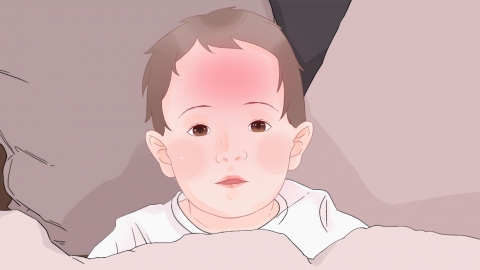
Safe medications for children's fever include acetaminophen suspension, ibuprofen suspension, acetaminophen suppositories, ibuprofen suppositories, and pediatric paracetamol-phenylephrine-chlorpheniramine granules. Medications should be strictly administered according to the child's age and weight to avoid blind use. If the fever persists beyond 3 days or is accompanied by convulsions or lethargy, prompt medical attention is recommended.
1. Acetaminophen Suspension: Suitable for children over 2 years old; can also be used in infants aged 3 months to 2 years under medical guidance. It provides mild antipyretic and analgesic effects with minimal side effects. Dosage is calculated based on body weight and may be repeated every 4–6 hours. It does not harm liver or kidney function when used appropriately.
2. Ibuprofen Suspension: Appropriate for children over 6 months of age. Offers strong antipyretic and anti-inflammatory effects, particularly effective for moderate to high fevers. Dosing should be based on age and weight, with doses given every 6–8 hours. Avoid administration on an empty stomach to reduce gastrointestinal irritation.
3. Acetaminophen Suppositories: Administered rectally, suitable for children who are vomiting and unable to take oral medication. Can be used in infants over 3 months of age. The drug is absorbed through the rectal mucosa. Dosage must strictly follow the instructions to prevent adverse reactions due to overdose.
4. Ibuprofen Suppositories: For children over 6 months of age. Rectal administration is ideal for children who resist taking oral medication. Provides long-lasting fever reduction and relieves mild pain associated with fever. Monitor bowel movements after administration to prevent irritation from residual medication.
5. Pediatric Paracetamol-Phenylephrine-Chlorpheniramine Granules: Suitable for children over 1 year old. Contains acetaminophen and helps reduce fever while relieving symptoms such as sneezing and runny nose. Dose according to age. Do not take concurrently with other medications containing similar ingredients to avoid overdose.
Before administering any medication, confirm the correct dosage based on the child’s age and weight, and use a dedicated measuring device. During fever management, encourage drinking plenty of warm water to maintain hydration and dress the child in loose clothing to promote heat dissipation. Store medications sealed and out of children's reach, and always use within the expiration date.


