


What should I do if my eyes are red after eyelash extensions?
Nov 18, 2025
Source: Cainiu Health

Dr. Liu Wenmin
Introduction
In general, redness of the eyes after eyelash extensions may be caused by irritation from eyelash adhesive, friction during the procedure, allergic conjunctivitis, bacterial conjunctivitis, or blepharitis. It is recommended to seek medical attention promptly, identify the underlying cause, and receive appropriate treatment under a doctor's guidance. Maintain dry and clean eyes in daily life, and avoid touching the eyes with dirty hands. Eat a light diet and reduce intake of spicy and irritating foods.
Generally, redness of the eyes after eyelash extension may be caused by irritation from eyelash adhesive, friction during the procedure, allergic conjunctivitis, bacterial conjunctivitis, or blepharitis. It is recommended to seek medical attention promptly, identify the underlying cause, and receive appropriate treatment under a doctor's guidance. Specific analyses are as follows:
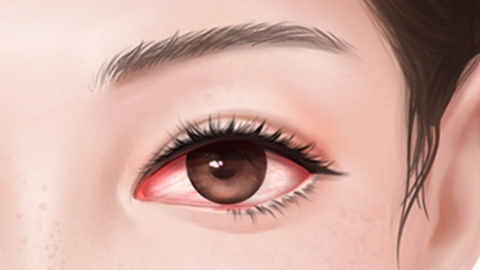
1. Adhesive Irritation: Eyelash glue contains chemical adhesives that may irritate individuals with sensitive skin, causing redness in the whites of the eyes and mild foreign body sensation. Immediately discontinue use of the suspected adhesive, gently rinse the eye area with sterile saline solution, avoid rubbing the eyes, and refrain from wearing eye makeup for a short period to allow the eyes to rest.
2. Friction During Procedure: Frequent contact of tools with the eyelid during eyelash extension, or skin pulling when attaching false lashes, can lead to vascular congestion around the eyes. Choose a reputable beauty salon. After the procedure, apply a cold compress using an ice pack wrapped in a towel for 10 minutes to reduce swelling, and avoid rubbing the eyelids afterward.
3. Allergic Conjunctivitis: An allergy to components in the eyelash adhesive or the false lash material can cause obvious eye redness, itching, and tearing. Immediately remove the applied lashes, avoid further exposure to the allergen, and follow medical advice to use antiallergic eye drops such as levocabastine hydrochloride, olopatadine, or ketotifen eye drops.
4. Bacterial Conjunctivitis: Inadequate sterilization of tools during the procedure may allow bacteria to invade and infect the conjunctiva, resulting in red eyes with increased discharge. Follow medical instructions to use antibiotic treatments such as tobramycin eye drops, levofloxacin eye drops, or erythromycin eye ointment. Maintain good hygiene around the eyes and avoid sharing towels with others.
5. Blepharitis: Eyelash extension procedures may irritate the follicles along the eyelid margin, triggering inflammation characterized by redness and flaking of the eyelid. Remove the eyelash extensions first, clean the eyelid margins daily with saline solution, and apply medications such as tetracycline eye ointment, fusidic acid cream, or mupirocin ointment as directed by a physician. In severe cases, eyelid margin debridement may be performed to clear the affected area.
In daily life, keep the eyes dry and clean, and avoid touching the eyes with dirty hands. Maintain a light diet and reduce intake of spicy or irritating foods. Avoid getting eyelash extensions again in the short term; wait until the eyes have fully recovered before choosing hypoallergenic eyelash products.



