


What should I do if I have a stye on my eyelid?

Under normal circumstances, styes on the eyelid may be caused by factors such as excessive meibomian gland secretion, inadequate eye hygiene, chronic conjunctivitis, blepharitis, or diabetes. It is recommended to seek medical attention promptly, identify the underlying cause, and receive symptomatic treatment under a doctor's guidance. Specific analyses are as follows:
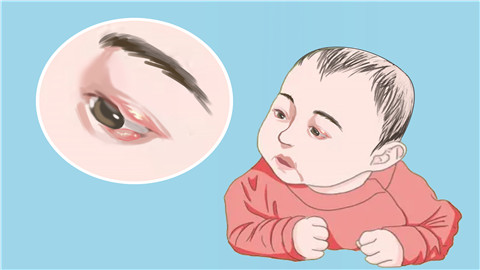
1. Excessive meibomian gland secretion: In individuals with active sebaceous glands, the oily secretions from the meibomian glands tend to become thick and accumulate, leading to blocked ducts and subsequent infection. Reduce intake of high-fat and high-sugar foods. Apply a warm towel at around 40°C to the eyes daily for 10 minutes to promote oil discharge and reduce the risk of blockage.
2. Inadequate eye hygiene: Residual eye makeup and dust adhering to the eyelids can foster bacterial growth and invade the meibomian glands. Clean the periorbital area daily with a mild facial cleanser, thoroughly remove makeup after wearing it, and avoid rubbing the eyes with dirty hands to minimize the chance of bacterial infection.
3. Chronic conjunctivitis: Prolonged inflammation of the conjunctiva narrows the glandular ducts, making them prone to blockage and triggering styes. Follow your doctor’s instructions to use medications such as tobramycin eye drops, levofloxacin eye drops, or pranoprofen eye drops to control inflammation and reduce recurrence.
4. Blepharitis: Bacterial infection at the eyelid margin causes inflammation that affects the openings of the meibomian glands. Clean the eyelid margins daily with saline solution and apply antibiotic ointments such as erythromycin eye ointment, tetracycline hydrochloride eye ointment, or ofloxacin eye ointment as prescribed, adhering to proper care routines.
5. Diabetes: Poor blood glucose control reduces skin resistance, making the meibomian glands susceptible to recurrent infections. Follow medical advice to manage blood sugar using insulin injection, glimepiride tablets, metformin sustained-release tablets, etc. For pus-forming styes, incision and drainage surgery may be required to expel pus and accelerate healing.
Maintain regular daily routines and avoid staying up late, which increases ocular strain. Eat a light diet rich in fruits and vegetables to ensure adequate vitamin intake. Schedule regular eye examinations and address any eye discomfort promptly to reduce the likelihood of developing styes.


