


What causes eye pain when looking at things?

Under normal circumstances, eye pain when viewing objects may be caused by eye strain, environmental irritation, conjunctivitis, keratitis, glaucoma, or other reasons. It is recommended to seek medical attention promptly, identify the underlying cause, and receive appropriate treatment under a doctor's guidance. Specific analysis is as follows:
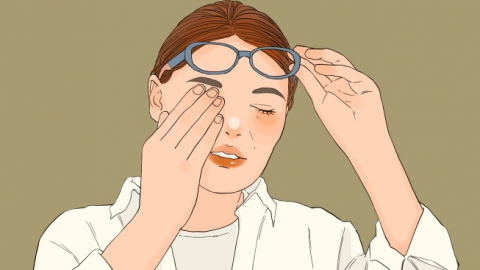
1. Eye strain: Prolonged reading or screen use can keep the eye muscles in constant tension, leading to soreness and discomfort. Follow the 20-20-20 rule—look at something 20 feet away for 20 seconds every 20 minutes of screen time. Perform eye exercises twice daily and ensure 7–8 hours of sleep each night to allow sufficient eye rest.
2. Environmental irritation: Direct exposure to bright light, windblown sand, or dry air can irritate the ocular surface and cause pain. Wear blue-light-blocking or wind-protective goggles outdoors, use a humidifier indoors to maintain humidity between 40% and 60%, and avoid prolonged exposure to intense light.
3. Conjunctivitis: Bacterial or viral infections or allergies can cause conjunctival congestion, accompanied by sharp pain and tearing when viewing objects. Use medications such as tobramycin eye drops, levofloxacin eye drops, or erythromycin eye ointment as prescribed. Avoid rubbing the eyes to prevent spreading infection.
4. Keratitis: Corneal infection following injury can lead to painful vision, photophobia, and, in severe cases, impaired vision. Use medications such as natamycin eye drops, fluconazole eye drops, or tobramycin-dexamethasone eye drops as directed by a physician, and take care to avoid further eye injury.
5. Glaucoma: A sudden increase in intraocular pressure can cause eye swelling, blurred vision, headache, and nausea. Use prescribed medications such as brinzolamide eye drops, timolol maleate eye drops, or latanoprost eye drops to lower eye pressure. In some cases, trabeculectomy surgery may be necessary to improve aqueous humor drainage.
Maintain good eye hygiene in daily life and avoid touching your eyes with dirty hands. Eat a diet rich in eye-protecting foods such as carrots and blueberries, and reduce intake of spicy and irritating foods. Have regular eye exams to monitor vision and intraocular pressure, promoting long-term eye health.


