


Are there risks associated with strabismus surgery for esotropia?

Esotropia surgery carries certain risks. Common complications include undercorrection or overcorrection, eye infections, bleeding, extraocular muscle damage, and double vision. However, the incidence of these risks is relatively low, and most can be minimized through standardized surgical procedures and proper postoperative care. If persistent eye pain, sudden vision loss, or abnormal double vision occurs after surgery, prompt medical attention is recommended.
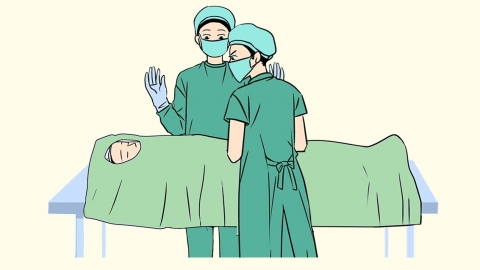
The surgery corrects eye alignment by adjusting the length and attachment points of the extraocular muscles. Due to individual anatomical variations or inaccuracies in assessing muscle strength during surgery, mild residual strabismus or even reverse strabismus may occur postoperatively. Some patients may require a second procedure for further correction.
Infections and bleeding are often associated with inadequate sterility during surgery or improper postoperative care. Minor bleeding typically resolves on its own, while severe infection or significant hemorrhage requires timely intervention. Muscle injury and double vision are usually temporary and gradually improve as the eye heals, although specific treatments may be needed in rare, more serious cases.
After surgery, patients should use prescribed anti-inflammatory eye drops as directed, avoid rubbing the eyes and strenuous physical activity, keep the eyes clean and dry, minimize eye strain, attend regular follow-up appointments to monitor vision and eye alignment, and maintain a light diet avoiding spicy or irritating foods to promote healing of ocular tissues.


