


What should cataract patients avoid eating?
Nov 18, 2025
Source: Cainiu Health

Dr. Huang Yuhong
Introduction
Cataract patients should avoid high-sugar, high-fat, high-salt, spicy and irritating foods, as well as tobacco and alcohol. These types of food may worsen lens opacity or impair ocular metabolism, which is unfavorable for disease control. If eye discomfort or vision changes occur after consumption, prompt medical attention is recommended. High-sugar foods: excessive sugar intake can elevate blood glucose levels and affect ocular blood circulation.
Patients with cataracts should avoid high-sugar, high-fat, high-salt, spicy and irritating foods, as well as tobacco and alcohol. These types of food may worsen lens opacity or impair ocular metabolism, which is unfavorable for disease control. If eye discomfort or vision changes occur after consumption, prompt medical attention is recommended.
1. High-sugar foods: Excessive sugar intake can elevate blood glucose levels, impair ocular blood circulation, and accelerate lens opacification. Examples include sweets, sugary beverages, and refined grains (such as white rice and flour products). Long-term overconsumption may exacerbate disease progression.
2. High-fat foods: A high-fat diet increases blood viscosity, hinders nutrient delivery to the eyes, and may trigger oxidative stress reactions. Foods such as fried items, fatty meats, and animal organs are detrimental to maintaining lens health.
3. High-salt foods: Excessive salt intake may lead to ocular tissue edema, disrupt metabolic balance in the eyes, and indirectly affect eye health by increasing kidney burden. Intake of pickled vegetables, preserved foods, and processed meats should be strictly controlled.
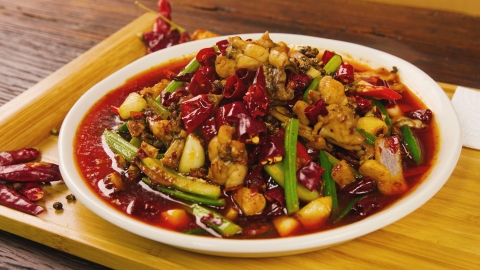
4. Spicy and irritating foods: Spicy foods can irritate ocular mucous membranes, potentially worsening symptoms like dryness and discomfort. They may also disrupt systemic metabolism. Examples include chili peppers, Sichuan pepper, and raw garlic, which could easily trigger inflammatory responses in the eyes.
5. Tobacco and alcohol: Alcohol causes dilation of ocular blood vessels and aggravates eye congestion, while harmful substances in tobacco—such as nicotine—can damage vascular endothelial cells in the eyes. Both factors accelerate lens damage and should be strictly avoided.
Diet should be light and easy to digest, emphasizing natural, fresh ingredients and minimizing processed foods. Daily caloric intake should be controlled to maintain a light diet. A balanced combination of staple foods, fruits and vegetables, and protein sources is recommended, along with cultivating regular meal habits.





