


Is it good to wear glasses for nearsightedness?

Generally, the degree of myopia determines whether wearing glasses is beneficial for clear vision. Wearing glasses can help relieve eye fatigue and slow down the progression of myopia. If the refractive error is very mild and does not affect daily life, glasses may not be necessary for now. If in doubt, it is recommended to consult a healthcare professional early. The details are as follows:
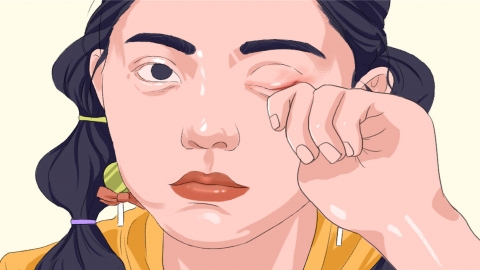
If the degree of myopia is relatively high (for example, over 100 degrees), or if you frequently use your eyes for close-up tasks (such as attending classes or working on a screen), not wearing glasses will result in blurry vision. This forces the eyes to exert excessive effort to focus, which over time may easily lead to eye strain, dryness, and even accelerate the progression of myopia. In such cases, wearing glasses allows the eyes to see clearly with less effort, reducing strain and maintaining good visual function, thereby better protecting your vision.
If the myopia is very mild (for example, less than 50 degrees), and blurriness only occurs occasionally when viewing distant objects (such as road signs or watching TV), with no discomfort during near-vision tasks, glasses may not be needed temporarily. However, it's important to monitor any changes in vision, avoid prolonged close-up work, and prevent further progression of myopia. If blurriness worsens or eye fatigue becomes frequent, timely refraction testing and glasses prescription are necessary to avoid delayed intervention.
After developing myopia, one should undergo an accurate eye examination at a qualified medical institution to ensure the correct glasses prescription. Regular eye check-ups are essential to adjust lenses according to any changes in vision. Additionally, maintain healthy eye habits: take visual breaks by looking into the distance every 30 minutes of near work, avoid using eyes in dim lighting, and strive to keep vision stable.


