


Can people with amblyopia wear glasses?
Nov 18, 2025
Source: Cainiu Health

Dr. Wang Lei
Introduction
In general, patients with amblyopia can wear corrective glasses, and optical correction is a fundamental method in amblyopia treatment. However, the prescription must be determined based on specific conditions such as refractive status and type of amblyopia, and should be carried out under professional guidance. Wearing glasses is not a one-time solution; regular follow-up examinations are necessary to adjust the lens prescription according to changes in visual acuity and refractive status. Additionally, comprehensive interventions such as occlusion therapy and fine visual training are often required alongside optical correction.
In general, patients with amblyopia can wear corrective glasses, and optical correction is a fundamental method in amblyopia treatment. However, proper prescription must be based on specific conditions such as refractive status and type of amblyopia, and should be conducted under professional guidance. The details are as follows:
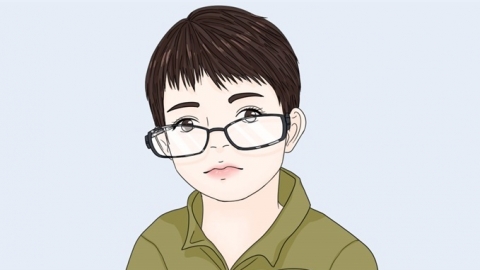
Most amblyopic patients have refractive errors such as hyperopia, myopia, or astigmatism. These conditions prevent the retina from receiving clear images, thereby interfering with normal visual development and leading to amblyopia. The primary goal of wearing glasses is to correct these refractive abnormalities, provide clear visual stimulation to the retina, and create favorable conditions for recovery of visual function. From the perspective of refractive correction, appropriate eyeglass prescription is the first essential step in amblyopia treatment; failure to correct refractive errors promptly may delay the optimal treatment window. Prior to prescribing glasses, a comprehensive eye examination is necessary—especially in children—who should undergo cycloplegic refraction to accurately determine their refractive error and avoid compromised treatment outcomes due to inaccurate prescriptions.
Wearing glasses is not a one-time solution. Regular follow-up examinations are required to adjust the lens prescription according to changes in vision and refractive status. Additionally, effective improvement in visual acuity often requires comprehensive interventions such as occlusion therapy and fine visual training alongside optical correction.



