


How long does it take for vision to recover after pupil dilation?
Nov 18, 2025
Source: Cainiu Health

Dr. Wang Lei
Introduction
The recovery time for vision after pupil dilation varies and mainly depends on the type of dilation. With rapid dilation, vision usually returns within 4 to 6 hours; with slow dilation, recovery takes longer, typically 3 to 7 days. After dilation, it's important to protect your eyes—wear a wide-brimmed hat or sunglasses when outdoors to reduce eye irritation from bright light. During the recovery period, avoid looking at electronic screens such as smartphones and computers as much as possible to prevent eye strain.
In general, the time required for vision to recover after pupil dilation is not fixed and mainly depends on the type of dilation. With rapid dilation, vision typically recovers within 4–6 hours, while slow-acting dilation takes longer, requiring 3–7 days. A detailed analysis is as follows:
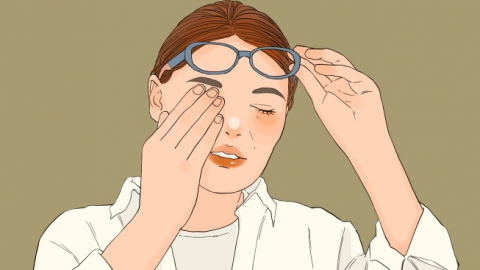
Rapid dilation commonly uses medications such as compound tropicamide, which is frequently applied in adult refraction tests or fundus examinations. These drugs have a short duration of action. After dilation, individuals may experience symptoms such as blurred near vision and light sensitivity, which gradually diminish as the medication is metabolized. Most people regain normal vision within half a day. During this period, wearing sunglasses can help block bright light, and activities such as close-up reading or driving should be avoided.
Slow-acting dilation usually involves atropine eye ointment and is primarily used for refraction testing in children and adolescents. These medications produce a deeper and longer-lasting effect, allowing more accurate detection of refractive errors, but require a correspondingly longer recovery time. In addition to light sensitivity and blurred near vision, some individuals may experience dry mouth after dilation. Symptoms generally subside gradually over 3–7 days, with exact recovery time varying from person to person.
After dilation, proper eye protection is essential. When going outdoors, wear wide-brimmed hats or sunglasses to reduce eye irritation caused by strong light. During the recovery period, it's best to avoid looking at electronic screens such as smartphones and computers to prevent eye strain.



