


Can someone with astigmatism undergo a semi-Femtosecond LASIK procedure?

Generally, individuals with mild to moderate astigmatism and suitable corneal conditions are eligible for SMILE or femtosecond LASIK surgery. Those with high astigmatism or poor corneal conditions may not be suitable candidates. If in doubt, it is recommended to consult a medical professional in advance. Detailed analysis is as follows:
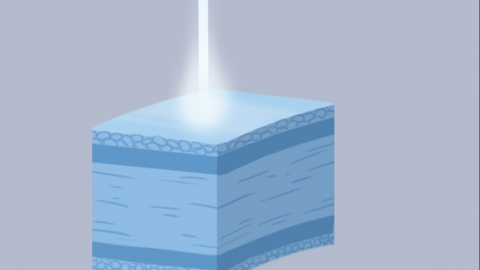
If the astigmatism is within 600 degrees, and the cornea has sufficient thickness, regular shape, and no ocular diseases such as keratoconus or corneal scarring, correction via femtosecond LASIK surgery is possible. The procedure precisely reshapes the corneal stroma while adjusting the cornea's refractive state, effectively correcting both myopia and astigmatism simultaneously. Postoperative visual recovery is relatively fast, making it ideal for individuals seeking clear vision.
If astigmatism exceeds 600 degrees, or if the cornea is too thin or irregular (irregular astigmatism), femtosecond LASIK may not be appropriate. Proceeding with surgery under these conditions may lead to suboptimal visual outcomes and increase risks such as corneal ectasia or regression of vision correction. Alternative methods like ICL (Implantable Collamer Lens) implantation should be considered, with the specific approach determined based on comprehensive eye examination results.
Prior to undergoing femtosecond LASIK surgery, a comprehensive eye examination at a qualified medical facility is necessary to evaluate corneal condition and astigmatism. After surgery, follow the doctor’s instructions for using anti-inflammatory eye drops and avoid rubbing the eyes or sustaining eye injuries. If symptoms such as blurred vision or eye pain occur, seek prompt medical evaluation and follow-up.


