


What is the optimal time to treat strabismus in children?
Nov 18, 2025
Source: Cainiu Health

Dr. Zhou Xiaofeng
Introduction
For congenital strabismus (occurring within six months after birth), treatment is recommended earlier, at 1 to 2 years of age. This type of strabismus severely affects the development of binocular vision in children. Early correction through surgical or non-surgical methods can maximally reduce interference with visual development, help children establish normal binocular coordination, and lower the risk of amblyopia.
There is generally no such thing as an optimal treatment time; however, for children with strabismus, the most suitable treatment window is typically between 2 and 6 years of age. Congenital strabismus requires earlier intervention, while acquired strabismus should be treated promptly once detected. If in doubt, it is recommended to seek medical consultation early. Detailed analysis is as follows:
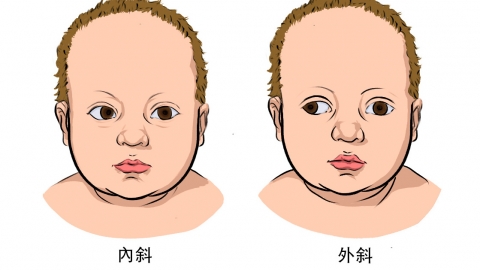
If the strabismus is congenital (appearing within six months after birth), treatment should be advanced to 1–2 years of age. This type of strabismus severely affects the development of binocular vision function. Early correction through surgical or non-surgical methods can minimize interference with visual development, help the child establish normal binocular coordination, and reduce the risk of amblyopia.
If the strabismus is acquired (developing after age 6 due to eye-use habits, ocular diseases, etc.), treatment should begin immediately upon detection without delay. Although the child's visual system is nearly mature at this stage, timely intervention can still improve ocular misalignment, prevent worsening of strabismus, and avoid other visual function complications. Treatment options—such as corrective lenses, vision therapy, or surgery—are selected based on the specific type of strabismus and must be determined according to the individual child’s ocular condition.
Parents should regularly observe their child's eye condition, conduct a vision screening every six months before age 3, and promptly visit an ophthalmologist if abnormalities such as squinting or head tilting when viewing objects are noticed. Once strabismus is diagnosed, strictly follow the doctor's recommendations to develop a treatment plan, avoiding any delays that could impair the child's visual development.






