


Is a stye the same as a pinkeye?

Stye, also known as "needle eye," refers to the same eye condition under different names—both describe an acute suppurative inflammation of the eyelid glands. It commonly presents as redness, swelling, pain, and a hard lump on the eyelid, and may later develop into a pus-filled spot. If the inflammation spreads, severe pain occurs, or fever develops, prompt medical attention is recommended.
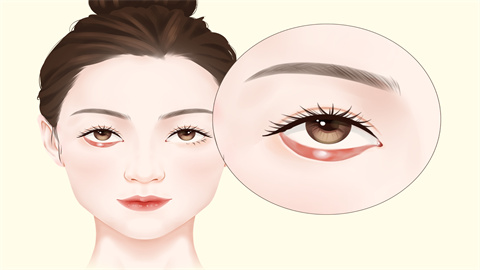
The medical term for stye is hordeolum, while "needle eye" is a common folk name derived from the appearance of the swollen eyelid resembling a grain of wheat or the tip of a needle. Both terms refer to the exact same condition with no pathological differences.
The condition is usually caused by infection with Staphylococcus aureus. Acute inflammation occurs when the meibomian glands or sebaceous glands at the edge or inside of the eyelid become infected, leading to local vasodilation and tissue swelling. Early symptoms include a tender nodule; in severe cases, vision may be affected or orbital cellulitis may develop.
To prevent styes, maintain good eye hygiene by avoiding rubbing your eyes with your hands and minimizing residue from cosmetics such as mascara and eyeshadow. Eat a light diet low in spicy or irritating foods, ensure adequate sleep, and apply warm compresses at the first sign of mild redness or swelling to help relieve symptoms and prevent worsening inflammation.


