


Can genetically inherited strabismus of the eyes be cured?

Most cases of genetically inherited strabismus can be improved or even cured through standardized treatment, with outcomes closely related to the patient's age and type of strabismus. Early intervention during childhood not only corrects eye alignment but also restores binocular vision function; while in adults, treatment can improve appearance, though recovery of stereoscopic vision is considerably more difficult. A detailed analysis is as follows:
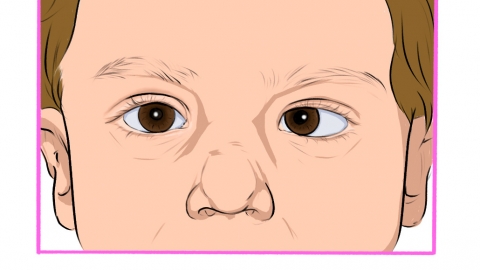
The critical period of visual development in children represents the optimal window for treatment. For accommodative esotropia, proper corrective lenses combined with visual function training can lead to improvement. Non-accommodative strabismus usually requires surgical adjustment of extraocular muscle strength, followed by postoperative binocular fusion exercises. Most children can achieve normal eye alignment and stereoscopic vision, thereby avoiding amblyopia.
In adults with inherited strabismus, visual development is already mature, so surgery primarily aims to correct eye position and appearance, and to relieve discomfort such as visual fatigue and headaches. However, due to long-standing strabismus, the loss of stereoscopic vision is difficult to fully reverse after surgery. Long-term visual function training is needed to enhance binocular coordination and achieve better functional improvement.
Families with a history of genetic strabismus should ensure their child undergoes an initial eye screening before age 3. Regular observation for abnormal behaviors—such as head tilting or squinting when viewing objects—is essential, and early detection should prompt timely intervention.


