


Can 50 degrees of astigmatism be omitted when prescribing glasses?

Whether to include a 50-degree astigmatism correction when prescribing glasses should be determined based on usage scenarios and personal symptoms. If your daily activities mainly involve near-vision tasks and you experience no discomfort, the astigmatism correction may be temporarily omitted. However, if you frequently engage in distance viewing or experience eye strain and double vision, adding the correction is recommended. Detailed analysis is as follows:
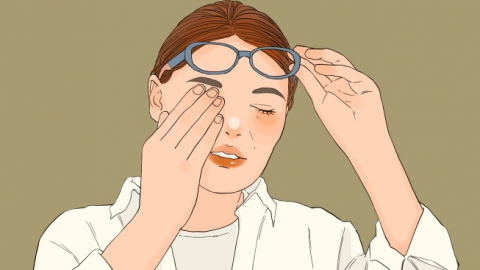
If your daily routine primarily involves close-up activities such as reading, writing, or using a smartphone for work, a 50-degree astigmatism has minimal impact on visual quality, and the eye's natural accommodative ability can compensate adequately. In such cases, omitting astigmatism correction from your prescription can help avoid initial adaptation issues like dizziness or eye discomfort, while still meeting basic visual needs. However, regular check-ups to monitor changes in astigmatism degree are still necessary.
If you frequently drive, view blackboards, watch movies, or perform other distance-vision tasks—or commonly experience eye soreness, dryness, or slight image doubling—a 50-degree astigmatism can increase the eye’s accommodative burden. Including astigmatism correction in your glasses allows light to focus more precisely on the retina, reducing visual fatigue and preventing long-term overcompensation that could lead to worsening astigmatism or myopia development.
It is important to maintain healthy visual habits in daily life: take breaks by looking into the distance every 30 minutes of near work. Maintain proper reading and writing posture, and avoid using digital devices in dim lighting. It is recommended to have an eye examination every six months to monitor changes in astigmatism and vision, and adjust your eyeglass prescription accordingly based on actual needs.


