


What foods are good to eat when you have a chalazion?

After developing a chalazion, foods that are suitable for consumption and may help support recovery generally include winter melon and luffa, spinach and broccoli, oranges and kiwifruit, pears and apples, mung beans and red adzuki beans. Detailed analysis is as follows:
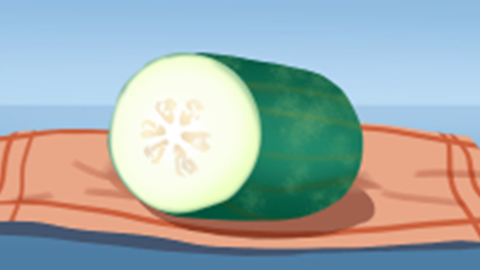
1. Winter Melon and Luffa: These foods have high water content and a mild nature, helping to rehydrate the body and promote the elimination of metabolic waste. Since chalazia are often associated with poor glandular secretion, moderate consumption can reduce internal damp-heat accumulation, help relieve blockages in the eye's glands, and create favorable conditions for recovery.
2. Spinach and Broccoli: Rich in vitamins and dietary fiber, these nutrients help maintain healthy ocular tissues while promoting intestinal motility. Consuming them helps regulate overall bodily functions, reduce inflammatory responses, prevent worsening of the chalazion due to systemic inflammation, and provide nutritional support for eye tissue repair.
3. Oranges and Kiwifruit: High in vitamin C, they enhance the body’s resistance and help reduce local inflammation. As chalazia may be accompanied by mild inflammation, adequate intake of vitamin C can help suppress inflammatory progression, speed up relief from eye discomfort, and also support tissue healing.
4. Pears and Apples: These are mild fruits rich in water and various nutrients, capable of supplying essential nutrition without burdening the body. Their consumption helps maintain stable bodily functions, prevents aggravation of chalazion due to irritating foods, and makes them suitable for daily intake during recovery.
5. Mung Beans and Red Adzuki Beans: Known for their heat-clearing and dampness-resolving properties, these legumes help eliminate excess internal damp-heat. Since chalazion formation is linked to damp-heat accumulation, moderate consumption (such as in porridge or soup) can help regulate the internal environment, reduce the impact of damp-heat on the eye glands, and promote recovery.
Dietary Notes: During recovery from a chalazion, it is important to maintain a light diet and avoid spicy or greasy foods. Proper eye care should also be observed, including warm compresses to improve glandular drainage. If the chalazion persists or becomes red, swollen, or painful, prompt medical attention is recommended to avoid delayed treatment and complications.


