


Are moisture chamber glasses helpful for dry eye syndrome?

Whether moisture chamber glasses are effective for dry eye syndrome depends on the type of dry eye. They show significant effectiveness for evaporative dry eye, while for aqueous-deficient dry eye due to severely inadequate tear production, they can only provide auxiliary relief and cannot fundamentally improve the condition. Detailed analysis is as follows:
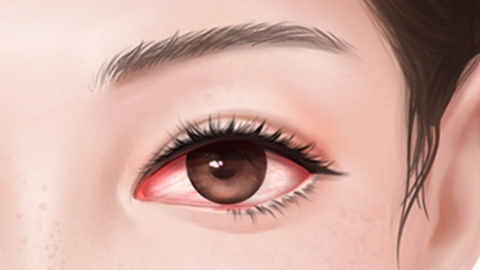
For evaporative dry eye caused by prolonged use of electronic devices or staying in air-conditioned environments, moisture chamber glasses are quite effective. These glasses reduce tear evaporation by creating a sealed space around the eyes, maintaining a moist environment and alleviating symptoms such as dryness, grittiness, and foreign body sensation. They are especially suitable for people who work for long periods in dry environments, and their use can reduce the frequency of artificial tear application.
For aqueous-deficient dry eye caused by lacrimal gland dysfunction or other factors leading to severely insufficient tear production, moisture chamber glasses can only play an auxiliary role. Relying solely on these glasses cannot compensate for the lack of tear secretion. Effective symptom control and prevention of disease progression require combining their use with treatments such as artificial tears and meibomian gland massage.
Daily care should incorporate proper use of moisture chamber glasses, avoiding prolonged continuous eye use—take breaks every 30 minutes by looking into the distance to relax the eyes. Maintain appropriate indoor humidity and avoid direct exposure to air conditioner airflow. Increase intake of foods rich in Omega-3 fatty acids, and regularly apply warm compresses around the eyes to support the health of lacrimal and meibomian glands.


