


Can congenital strabismus be corrected?

Congenital strabismus can be corrected, and the outcome is closely related to the age of onset and timing of intervention. Early intervention during childhood often leads to effective correction, while correction becomes more difficult in adulthood; however, appearance and some visual functions can still be improved. Detailed analysis is as follows:
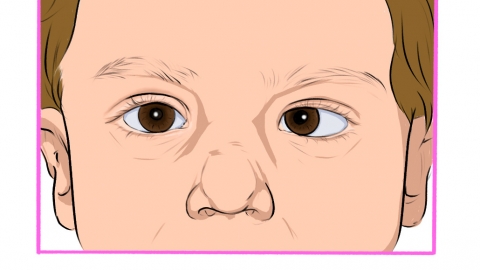
The optimal period for correcting congenital strabismus is between ages 3 and 6. During this stage, the visual system has not yet fully matured, allowing for better treatment outcomes. By wearing corrective glasses to address refractive errors, patching the healthy eye to train the amblyopic eye, or undergoing strabismus surgery to adjust the extraocular muscle balance, binocular vision function can be effectively restored and eye alignment normalized.
In adult patients with congenital strabismus, the visual system has already become established, making full recovery of binocular vision difficult. Nevertheless, correction is still possible. Surgery remains the primary method, capable of adjusting extraocular muscle balance, improving the cosmetic appearance of misaligned eyes, reducing discomfort such as visual fatigue, and enhancing quality of life.
Regular monitoring of children's eye development and routine vision screenings are essential for early detection and timely intervention. After surgery, maintaining good eye hygiene, avoiding eye rubbing, and minimizing prolonged eye use are important. Following medical advice for visual training helps consolidate treatment results and supports long-term stability of eye function.


