


How to Determine the Causes of Low Total Amylase
Nov 19, 2025
Source: Cainiu Health

Dr. Gao Jun
Introduction
To determine the causes of low total amylase, a comprehensive evaluation is conducted based on pancreatic function assessment, liver function tests, nutritional status screening, review of medication effects, and investigation of potential associations with other diseases, integrating both test results and clinical symptoms. If total amylase remains persistently low or is accompanied by discomfort or other symptoms, prompt medical consultation is recommended for further diagnosis.
To determine the causes of low total amylase levels, a comprehensive evaluation is required based on pancreatic function assessment, liver function tests, nutritional status screening, medication history review, and investigation of possible associated diseases. A definitive judgment should be made by integrating test results with clinical manifestations. If total amylase remains persistently low or is accompanied by discomfort, timely medical consultation is recommended for further diagnosis.
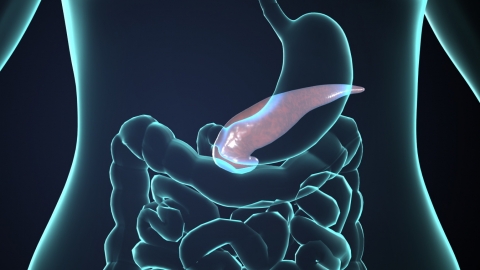
1. Pancreatic Function Assessment: The pancreas is the primary organ responsible for amylase secretion. Pancreatic ultrasound or CT scans should be used to evaluate whether the pancreas has structural abnormalities. Conditions such as chronic pancreatitis, pancreatic atrophy, or pancreatic cancer should be ruled out, as these can directly reduce amylase secretion.
2. Liver Function Tests: The liver plays a role in amylase synthesis and metabolism. By assessing liver function markers, it is possible to identify conditions such as cirrhosis or severe hepatitis. Impaired liver function may indirectly affect amylase production.
3. Nutritional Status Screening: Long-term inadequate protein intake or malnutrition can impair glandular secretory function. It is important to evaluate daily dietary intake of protein and vitamins to determine whether insufficient nutrient availability is limiting amylase synthesis.
4. Medication History Review: Certain medications taken over a long period may suppress amylase secretion. A thorough review of recent drug use is necessary to identify potential culprits such as oral contraceptives, certain antibiotics, or antifungal agents, and to observe whether amylase levels show signs of recovery after discontinuation.
5. Evaluation of Other Associated Conditions: Some endocrine disorders, such as hyperthyroidism or diabetes, as well as severe infections or cachexia, may indirectly affect pancreatic secretory function. These possibilities should be assessed in conjunction with relevant symptoms and diagnostic findings.
In daily life, maintaining a balanced diet rich in adequate protein and vitamins, avoiding long-term misuse of medications, adhering to regular作息 (sleep-wake cycles), reducing the burden on the liver and pancreas, and undergoing routine health check-ups to monitor key indicators are essential for preserving normal glandular function.



