


How to Determine the Cause of a Baby's Nasal Congestion
Nov 19, 2025
Source: Cainiu Health

Dr. Zhou Xiaofeng
Introduction
In general, the cause of nasal congestion in infants can be determined by observing nasal secretions, examining nasal structure, evaluating accompanying symptoms, reviewing environmental factors, and paying attention to feeding practices. Once potential causes are thoroughly assessed, targeted interventions can be implemented. If an infant develops difficulty breathing, persistent fever, or lethargy, prompt medical attention is recommended.
In general, the cause of nasal congestion in infants can be determined by observing nasal secretions, examining nasal structure, considering accompanying symptoms, reviewing environmental factors, and paying attention to feeding patterns. After comprehensively identifying potential causes, targeted interventions should be implemented. If an infant develops difficulty breathing, persistent fever, or lethargy, prompt medical attention is recommended.
1. Observe nasal secretions: Check the color and consistency of the discharge. Clear, watery mucus is often seen in the early stages of a cold or due to allergies, while yellow and thick mucus may indicate a bacterial infection. Dry nasal crusts are commonly caused by dry environments, helping to distinguish between infectious and non-infectious causes.
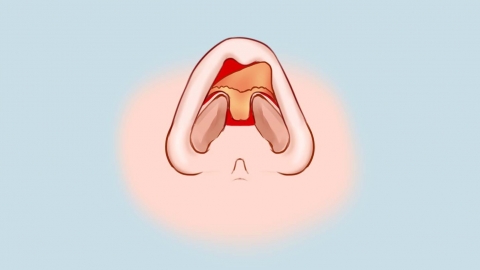
2. Examine nasal structure: Gently lift the infant’s nostrils to check for foreign objects blocking the nasal passage or structural issues such as deviated septum. Such anatomical problems can lead to persistent nasal congestion and should be ruled out through direct observation.
3. Consider accompanying symptoms: Sneezing and tearing may suggest allergies; fever and cough are more indicative of respiratory infections; refusal to feed or vomiting may result from nasal congestion interfering with breathing and swallowing. Correlating these symptoms helps identify the underlying cause.
4. Review environmental factors: Consider whether the infant has recently been exposed to allergens such as pollen or dust mites, or if there have been sudden changes in temperature or low humidity. These external stimuli can trigger temporary nasal congestion and should be evaluated in context with environmental changes.
5. Monitor feeding patterns: During breastfeeding, if the infant appears to suck with effort or frequently pauses, it may be due to impaired breathing from nasal congestion. In formula-fed infants, nasal congestion following milk regurgitation and choking may be related to nasal blockage by refluxed milk.
Treatment should be based on the underlying cause: avoid allergens for allergic reactions, follow medical advice for infections, and increase indoor humidity for dryness-related congestion. During care, gently remove secretions using an infant-safe nasal aspirator, hold the baby upright and burp after feeding to prevent reflux, and maintain appropriate indoor temperature and humidity to alleviate nasal discomfort.



