


How to Determine the Cause of a Baby Not Opening Their Eyes

A baby's failure to open their eyes may be caused by factors such as immature physiological development, blocked eye secretions, ocular inflammatory irritation, eyelid abnormalities, or neurological issues. A comprehensive assessment based on associated symptoms is necessary. If a baby consistently fails to open their eyes or shows additional abnormalities like redness, swelling, or persistent crying, prompt medical attention is recommended.
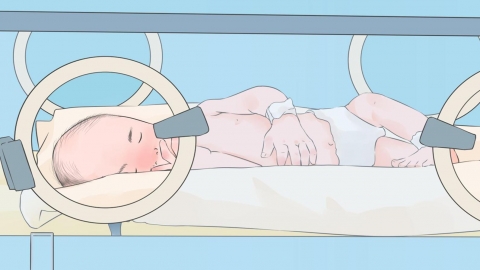
1. Immature Physiological Development: Newborns, especially premature infants, have underdeveloped eye muscle regulation. They may remain with eyes closed for the first 1–2 days after birth and show mild responses to external stimuli, without other discomfort. As development progresses, they will gradually begin to open their eyes voluntarily.
2. Blocked Eye Secretions: Increased eye discharge can dry and stick the eyelids or eyelashes together, preventing the baby from opening their eyes. Yellow or white crusts may be observed at the eye corners; once cleaned, the baby can usually open their eyes normally.
3. Ocular Inflammatory Irritation: Inflammation such as conjunctivitis or keratitis can cause eye redness, pain, and photophobia. Due to discomfort, the baby may refuse to open their eyes and may also exhibit increased discharge and bloodshot eyes.
4. Eyelid Abnormalities: Congenital or acquired conditions such as ptosis (drooping eyelid) or eyelid adhesions can prevent the eyelids from lifting or separating properly, resulting in persistent inability to open one or both eyes. The baby may not cry noticeably when the eyelids are touched.
5. Neurological Issues: Abnormal brain development or intracranial infections may impair neural control of the eyes, leading to the baby not opening their eyes. This is often accompanied by systemic symptoms such as delayed responsiveness, abnormal limb movements, and feeding difficulties.
Treatment should target the underlying cause: inflammation requires anti-inflammatory medications as prescribed by a doctor; eyelid abnormalities may require surgical correction; neurological problems need professional intervention. Care includes maintaining eye cleanliness, gently wiping away secretions with sterile cotton swabs, avoiding bright light exposure, feeding according to demand to ensure adequate nutrition, and closely monitoring the baby’s eye-opening behavior and mental status.


