


Which types of pneumonia can penicillin treat?

Penicillin is primarily used to treat pneumonia caused by susceptible bacterial infections, such as Streptococcus pneumoniae pneumonia and hemolytic streptococcal pneumonia. It is ineffective against pneumonia caused by viruses, fungi, or drug-resistant bacteria, and should be used under medical guidance according to the specific pathogen. If symptoms related to pneumonia occur, it is recommended to seek timely medical evaluation to identify the causative pathogen.
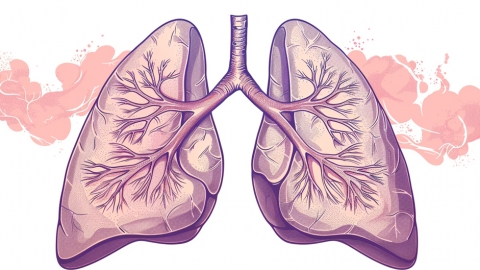
Streptococcus pneumoniae is a common pathogen responsible for community-acquired pneumonia. Penicillin is effective against this bacterium by inhibiting bacterial cell wall synthesis, thereby killing the pathogens and alleviating symptoms such as fever, cough, and rust-colored sputum. It is a commonly prescribed medication for this type of pneumonia.
Penicillin can also be effective in treating pneumonia caused by other susceptible strains such as hemolytic streptococci and staphylococci. However, it is important to note that some bacteria may develop resistance. Prior to treatment, sensitivity testing—such as sputum culture—should be performed to confirm susceptibility, avoiding ineffective treatment due to inappropriate use.
During treatment, it is essential to strictly follow the doctor’s instructions regarding dosage and duration; do not discontinue medication prematurely. Maintain good indoor ventilation, ensure adequate rest, consume a light and easily digestible diet, and maintain sufficient fluid and nutritional intake. Avoid smoking and exposure to irritating gases to support recovery.


