


What are the functions of the three regions of the pharynx?

The pharynx is divided into three regions—the nasopharynx, oropharynx, and laryngopharynx—each serving distinct functions: regulating respiration and defense, facilitating swallowing and aiding speech production, and coordinating the transition between breathing and swallowing, respectively. Together, they maintain normal physiological functions of the respiratory and digestive tracts. If persistent throat pain, difficulty swallowing, or a sensation of a foreign body occurs, prompt medical attention is recommended.
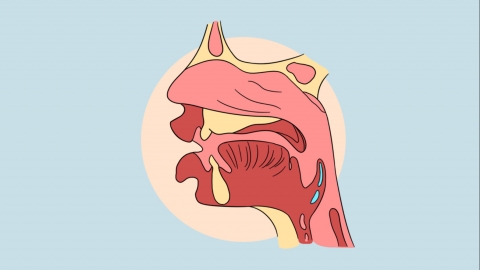
1. Nasopharynx: Serving as a passageway between the nasal cavity and oropharynx, it regulates the temperature and humidity of inhaled air. The mucosal secretions trap dust and pathogens, while also contributing to vocal resonance, enhancing voice quality during speech, and protecting the lower respiratory tract from irritation.
2. Oropharynx: A key site for swallowing, it uses coordinated muscular movements to propel food toward the laryngopharynx. The submucosal lymphoid tissue forms a defensive barrier against pathogens entering from the oral cavity and also assists in speech by cooperating with tongue movements.
3. Laryngopharynx: Connecting the oropharynx with the esophagus and trachea, during swallowing the epiglottis closes off the trachea to prevent food from entering the airway. It also modulates airflow, providing the fundamental support for phonation. Its highly sensitive mucosa can trigger cough reflexes to expel foreign substances.
To maintain pharyngeal mucosal health, it is important to practice good oral hygiene, avoid excessive voice use, limit intake of spicy and irritating foods, drink plenty of warm water to keep the throat moistened, and avoid smoking, alcohol consumption, and exposure to dust or other irritants.


