


How to determine whether mung bean soup cooked in an iron pot is safe to drink

Under normal circumstances, the safety of mung bean soup cooked in an iron pot can be evaluated by observing its color, smelling for odor changes, tasting its flavor, checking for spoilage, and reviewing storage conditions. If discomfort such as abdominal pain or diarrhea occurs after consumption, prompt medical attention is recommended.
1. Observe the soup's appearance: Properly prepared mung bean soup cooked in an iron pot should be light green or yellowish-green, clear and free of cloudiness. If the soup appears black, dark, cloudy, or has sediment, it may have spoiled or excessive iron may have leached into the liquid, making it unsuitable for consumption.
2. Smell for odor changes: Fresh mung bean soup has a natural, pleasant bean aroma. If sour, rancid, or other unpleasant odors are detected, bacterial growth may have occurred, indicating spoilage—consumption should be avoided.
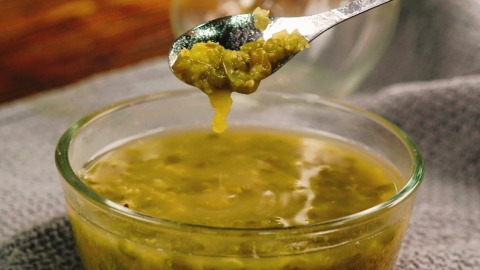
3. Taste the flavor: The soup should taste mildly sweet with no off-flavors. If sourness, bitterness, astringency, or a metallic taste is present, it may indicate spoilage or chemical reactions from the iron pot; consumption should be stopped immediately.
4. Check for spoilage: Look for signs such as foam on the surface, mold spots, or a sticky, clumped texture. These are clear indicators of spoilage, and the soup should not be consumed.
5. Review storage conditions: Mung bean soup stored at room temperature for more than 2 hours or refrigerated for over 24 hours has a higher risk of spoilage. Additionally, if stored in unclean conditions or in containers that are not properly sealed, caution is advised before drinking.
Use an intact, undamaged iron pot for cooking, and avoid prolonged high-temperature simmering. Consume the soup promptly after preparation. Leftovers should be sealed tightly and refrigerated, then consumed as soon as possible. Reheat thoroughly before drinking to ensure food safety.


