


How long after a child drinks water following a nosebleed can blood tests be performed?

After a child experiences nosebleed and drinks water, there is no need to wait before conducting blood tests. Drinking water does not affect key test results such as complete blood count or coagulation function. Timely testing allows for rapid identification of the underlying cause and helps prevent delays in diagnosis and treatment. If nosebleeds are recurrent, difficult to stop, or accompanied by pale complexion, prompt medical attention is recommended.
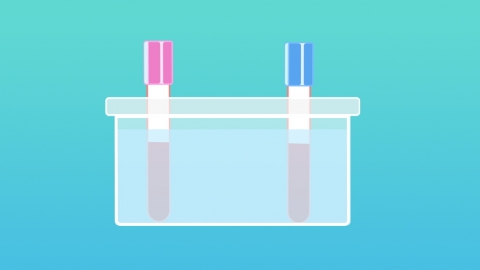
Core indicators in blood tests—such as platelet count and prothrombin time—are stable and unaffected by water intake. Drinking an appropriate amount of water simply helps maintain hydration, without diluting the concentration of essential blood components or compromising the accuracy of test results.
Nosebleeds in children may be related to local nasal issues or systemic abnormalities in blood clotting or blood cell production. Conducting blood tests immediately after drinking water enables timely capture of the child’s true blood status following the episode. This is especially important for children with frequent nosebleeds, allowing early exclusion of potential hematologic disorders.
When stopping a nosebleed, have the child sit upright and lean forward slightly, pinching both sides of the nostrils firmly with fingers for ten minutes. As part of daily care, encourage children to drink plenty of warm water, use a humidifier to maintain indoor humidity, and keep their fingernails trimmed to prevent nose-picking and reduce injury to the nasal mucosa.


