


What medicine should a child take for fever to recover quickly?

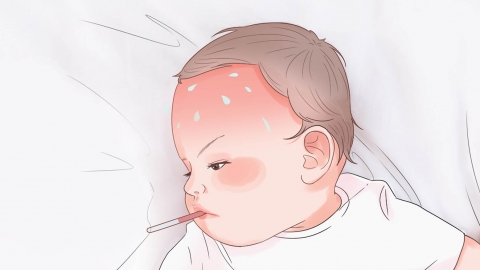
Commonly used and safe antipyretic medications for children with fever include acetaminophen suspension, ibuprofen suspension, acetaminophen suppositories, ibuprofen suppositories, and Xiao'er Chai Gui antipyretic granules. Selection should be based on the child's age and physical condition to avoid blind medication use. If fever persists beyond 3 days without improvement, is accompanied by severe symptoms, or causes discomfort after medication, prompt medical attention is recommended.
1. Acetaminophen Suspension: Suitable for children over 2 years old, this medication provides mild and long-lasting fever reduction with minimal side effects. It effectively relieves fever, mild headaches, and joint pain, making it a common foundational antipyretic for children.
2. Ibuprofen Suspension: Appropriate for children aged 6 months and older, it acts quickly to reduce fever and has prominent analgesic and anti-inflammatory effects. It is particularly effective in lowering high fever and is ideal when fever is accompanied by mild inflammation.
3. Acetaminophen Suppositories: Administered rectally, these are suitable for children who are vomiting and unable to take oral medication. The drug is absorbed through the mucosa to exert its antipyretic effect, avoiding gastrointestinal irritation, thus meeting special administration needs.
4. Ibuprofen Suppositories: Also administered rectally, suitable for children aged 6 months and above. They provide significant fever reduction during high fever episodes and reduce gastrointestinal irritation caused by oral medications, making them ideal for children with sensitive stomachs or those refusing to take oral medicine.
5. Xiao'er Chai Gui Antipyretic Granules: A traditional Chinese medicine formulation used for fever caused by pediatric exogenous infections. It helps relieve low-grade fever, nasal congestion, runny nose, and sore throat. It can be used as an adjunct to Western antipyretics but is not suitable for high fever alone.
Ensure the child gets plenty of rest and minimizes activity. Maintain a well-ventilated, comfortably temperate indoor environment. Provide adequate warm water or oral rehydration salts as needed. Offer light, liquid-based foods such as porridge or soups, avoid force-feeding, and closely monitor body temperature and mental status.


