


Is 37.6°C considered a fever in a child, and what should be done?

A child with a body temperature of 37.6°C is considered to have a fever, specifically a low-grade fever. This condition can usually be managed by monitoring body temperature changes, reducing clothing to facilitate heat dissipation, ensuring adequate fluid intake, maintaining a comfortable environment, and observing the child's mental state. In most cases, symptoms will resolve on their own. However, if the temperature continues to rise above 38.5°C or is accompanied by lethargy or other discomforts, prompt medical attention is recommended.
1. Monitor temperature changes: Measure the child’s temperature every 4–6 hours and record fluctuations. Axillary (underarm) measurement is preferred. Avoid frequent measurements that may disturb the child’s rest, and pay attention to whether the temperature continues to rise or fluctuates.
2. Reduce clothing for better heat dissipation: Dress the child in loose, breathable cotton clothing and avoid excessive bundling to help the body release heat effectively. Do not attempt to induce sweating by overwrapping, as this may cause the body temperature to rise further.
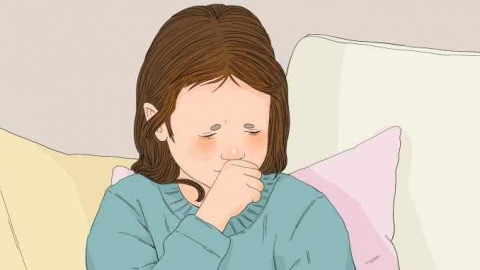
3. Ensure adequate hydration: Encourage the child to drink plenty of warm water, oral rehydration solutions, or light soups to replace fluids lost due to fever, prevent dehydration, and support metabolic processes that aid in cooling.
4. Maintain a comfortable environment: Keep the indoor temperature between 24–26°C. Open windows periodically to ensure proper ventilation and air circulation. Avoid overheated or stuffy environments, and protect the child from direct exposure to cold drafts or sudden temperature changes.
5. Observe mental status: Pay close attention to signs such as lethargy, excessive sleepiness, or irritability, as well as accompanying symptoms like coughing, vomiting, or diarrhea. These are key indicators for assessing the severity of the illness.
During care, ensure the child gets sufficient rest. Offer light, easily digestible liquid or semi-liquid foods, and avoid spicy or greasy foods. Use lukewarm water to gently wipe the forehead and neck to assist in cooling, but do not administer antipyretic medications without medical advice.


