


Can you get pregnant from one time during ovulation?

Generally, having intercourse once during the ovulation period may result in pregnancy, but it is not guaranteed. The likelihood depends on both partners' physical conditions and the accuracy of ovulation timing. If there are concerns, it is advisable to consult a healthcare provider in advance. Detailed analysis is as follows:
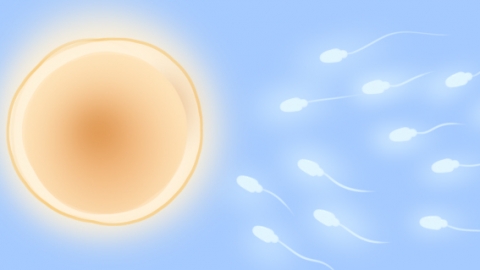
If a woman's ovulation time is accurately identified (within 24 hours before or after ovulation), the male partner has good-quality sperm with strong motility, and both reproductive systems are normal (e.g., patent fallopian tubes in the female and no oligospermia or asthenospermia in the male), the chance of conception from a single act of intercourse is relatively high, as sperm and egg are more likely to meet and fuse successfully at the optimal time.
However, if ovulation timing is inaccurate (e.g., actual ovulation significantly differs from the estimated time), or if the male has low sperm motility or reduced sperm count, or if the female has issues such as blocked fallopian tubes or abnormal endometrium, even intercourse during the ovulation window may have a greatly reduced chance of resulting in pregnancy, potentially leading to failure to conceive.
Individuals planning pregnancy can use ovulation test strips or basal body temperature monitoring to precisely determine ovulation timing. Those not planning pregnancy should use appropriate contraception during the ovulation period. Couples who have been trying to conceive for a prolonged period without success should seek medical evaluation to assess their reproductive health.


