


What symptoms are associated with deformed and bent fingers in children?

Curvature and deformity of a child's fingers may be caused by congenital developmental differences, poor postural habits, post-traumatic deformities, stenosing tenosynovitis, or rheumatoid arthritis. These conditions can be improved through observation and follow-up, posture correction, medication, and rehabilitation exercises. If the deformity worsens or is accompanied by pain or restricted movement, prompt medical attention is necessary.
1. Congenital developmental differences: Incomplete finger development during the fetal stage may lead to mild curvature or deformity after birth, usually without pain or functional impairment. Regular monitoring of finger development is recommended, and forced manipulation should be avoided. Consult a doctor early if function is affected.
2. Poor postural habits: Prolonged tight gripping, finger biting, or incorrect pen-holding can cause muscle tension in the fingers, leading to deformity. It is advisable to correct these habits promptly, guide proper hand usage, and perform appropriate finger stretching exercises.
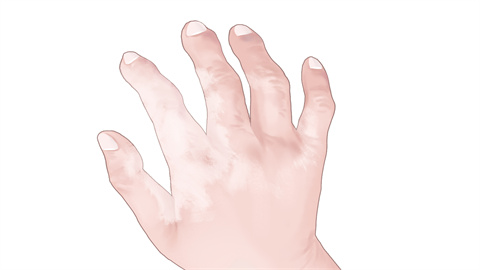
3. Post-traumatic deformity: Previous injuries such as impacts or fractures may result in malhealing, causing bone or joint deformities, often accompanied by pain when bending. Symptoms may be alleviated with medications such as Huoxue Zhitong Capsules, Diclofenac Sodium Sustained-Release Tablets, or Yunnan Baiyao Aerosol, as directed by a physician.
4. Stenosing tenosynovitis: Repeated friction causes the tendon sheath to thicken and narrow, compressing the tendons and resulting in catching, pain, and worsening symptoms with activity. Under medical guidance, medications such as Ibuprofen Suspension, Diclofenac Sodium Gel, or Hydrocortisone Cream may be used to relieve symptoms.
5. Rheumatoid arthritis: Autoimmune abnormalities trigger joint inflammation, leading to swelling, pain, and progressive deformity in the finger joints, often accompanied by morning stiffness. Under medical supervision, medications such as Methotrexate Tablets, Prednisone Tablets, or Ibuprofen Dry Suspension may be used to alleviate discomfort.
Maintain good hand hygiene for children, avoid excessive hand fatigue, perform appropriate finger flexion and extension exercises, maintain a balanced diet rich in calcium and vitamins, and protect the hands from injury to support healthy finger development.


