


What are the small bumps on a child's tongue and what should be done about them?

Small granules appearing on a child's tongue may be caused by normal papilla protrusion, food irritation, glossitis, oral herpes, or thrush. These conditions can be improved through oral hygiene, dietary adjustments, and medication. If the granules increase in number or are accompanied by pain or fever, prompt medical attention is recommended.
1. Normal Papilla Protrusion: The surface of the tongue naturally contains papillae. In children, the oral mucosa is delicate, making the papillae more visibly prominent. This condition typically causes no discomfort. It is recommended to maintain good oral hygiene by rinsing with warm water after meals. No special treatment is needed—observation alone is sufficient.
2. Food Irritation: Consuming excessively hot, spicy, or sweet foods can irritate the tongue’s mucosa, causing the papillae to become congested and raised, sometimes accompanied by a mild burning sensation. It is advisable to switch to cool or lukewarm, bland, and easily digestible foods, drink plenty of water, and minimize further irritation.
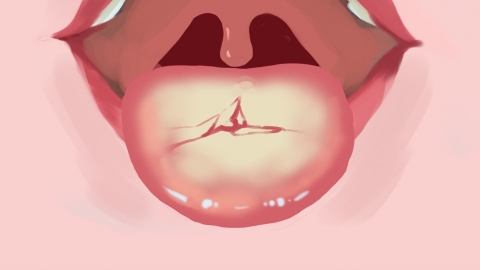
3. Glossitis: Tongue inflammation caused by infection or vitamin deficiency can lead to redness, swelling, and granular protrusions of the papillae, often accompanied by tongue pain and discomfort during eating. Under medical guidance, symptoms can be managed using medications such as pediatric compound chlorhexidine mouthwash, vitamin B2 tablets, or pediatric cefaclor granules.
4. Oral Herpes: Viral infection causing oral herpes results in scattered or clustered small granules on the tongue that gradually develop into blisters, often accompanied by pain and fever. Under medical supervision, medications such as ribavirin granules, Kaihoujian spray, and ibuprofen suspension may be used to relieve symptoms.
5. Thrush: Fungal infection leads to white, curd-like granules on the tongue surface that are difficult to wipe off and may be associated with mild pain and reduced appetite. Symptoms can be treated with antifungal medications as directed by a doctor, such as nystatin tablets, sodium bicarbonate solution, or fluconazole oral solution.
Maintain good oral hygiene for the child by gently brushing the mouth with a soft-bristled toothbrush morning and night. Ensure a balanced diet rich in fruits and vegetables, encourage adequate fluid intake, avoid frequent tongue licking, and reduce oral irritation to support recovery.


