


What are the reasons why a baby does not gain weight during the postpartum period?

During the postpartum period, a baby's failure to gain weight may be caused by inadequate feeding, poor sleep, weak digestion and absorption, lactose intolerance, or cow's milk protein allergy. These issues can be improved through adjustments in feeding practices, better sleep management, and medical interventions. If accompanied by continuous weight loss or lethargy, prompt medical attention is necessary.
1. Inadequate Feeding: Insufficient intake of breast milk or formula fails to meet the baby's growth needs, leading to slow weight gain and frequent feeding. It is recommended to feed on demand; if breast milk is insufficient, supplement with formula to ensure daily milk intake requirements are met.
2. Poor Sleep: Disrupted sleep cycles or environmental disturbances can affect growth hormone secretion and hinder growth and development. Create a quiet and comfortable sleeping environment, establish regular sleep routines, and ensure the baby gets sufficient sleep each day.
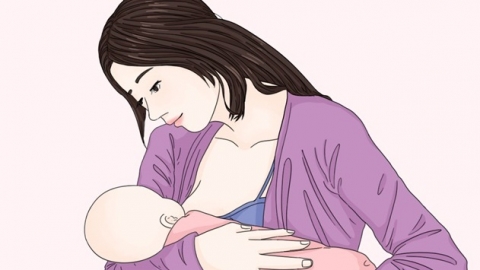
3. Weak Digestion and Absorption: Newborns' gastrointestinal systems are not yet fully developed, which may lead to poor nutrient absorption, possibly accompanied by bloating and irregular bowel movements. Feed in small, frequent amounts to avoid overfeeding. When necessary, gently massage the abdomen in a clockwise direction.
4. Lactose Intolerance: A lack of lactase enzyme prevents proper digestion of lactose in milk, causing diarrhea and bloating, which impairs nutrient absorption. Under medical guidance, use lactase drops, Bifidobacterium triple viable powder, or smectite powder to help relieve symptoms.
5. Cow's Milk Protein Allergy: Allergic reaction to cow's milk protein in formula can cause vomiting, diarrhea, and rashes, interfering with nutrient intake and absorption. As directed by a physician, use extensively hydrolyzed protein formula, amino acid-based formula, or loratadine syrup to alleviate discomfort.
Closely monitor your baby’s feeding, sleep, and bowel movements. Adjust feeding methods as needed, maintain a comfortable environment, and practice proper skin care to support healthy growth and development.


