


What should I do about my eyes frequently being swollen lately?

Generally, frequent eye swelling recently may be caused by excessive water intake before bedtime, staying up late with irregular作息, allergic conjunctivitis, hordeolum (stye), glomerulonephritis, and other reasons. It is recommended to seek medical attention promptly, identify the underlying cause, and receive symptomatic treatment under a doctor's guidance. Specific analysis is as follows:
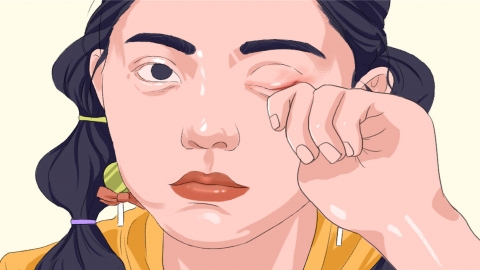
1. Excessive water intake before bedtime: Drinking large amounts of water within one hour before sleep can lead to fluid accumulation in the eyelids due to delayed kidney metabolism, resulting in swelling. Adjust drinking habits by reducing fluid intake two hours before bedtime, avoid high-salt foods during dinner to minimize sodium and water retention, and apply a cold towel compress to the eyes for 10 minutes upon waking to help reduce swelling.
2. Staying up late and irregular作息: Long-term sleep deprivation disrupts the body’s metabolic balance, slows ocular blood circulation, and causes blood congestion leading to swelling. Maintain regular作息 and ensure 7–8 hours of sleep each night. After staying up late, apply a warm towel compress to the eyes for 15 minutes, combined with gentle massage around the eyes to promote blood circulation.
3. Allergic conjunctivitis: Exposure to allergens such as pollen or dust mites can cause conjunctival congestion and edema, leading to eye swelling accompanied by itching. Avoid allergens, regularly clean bed sheets and bedding, and follow medical advice to take antihistamines such as cetirizine hydrochloride tablets, loratadine syrup, or chlorpheniramine maleate tablets. Use sodium cromoglicate eye drops as directed to relieve symptoms.
4. Hordeolum (stye): Infection of the eyelid glands by *Staphylococcus aureus* causes redness, swelling, and hard lumps on the eyelid, which are painful when pressed. Keep the eyes clean and avoid squeezing. Apply warm compresses early in the condition, and use antibiotic eye drops such as levofloxacin, tobramycin, or chloramphenicol as prescribed. If an abscess forms, incision and drainage surgery may be performed to remove pus.
5. Glomerulonephritis: Reduced kidney filtration function leads to sodium and water retention, causing generalized edema, often first affecting the eyelids. Limit salt intake, rest in bed, and avoid physical strain. Follow medical instructions to take medications such as valsartan capsules, hydrochlorothiazide tablets, or prednisone tablets. In severe cases, hemodialysis may be required to remove metabolic waste and excess fluid from the body.
Maintain good eye hygiene and avoid rubbing eyes with dirty hands. Eat a diet rich in fresh fruits and vegetables containing vitamins, reduce spicy, irritating, and high-salt foods, and support eye recovery through proper daily care.


