


What should I do if I have a stye in my eye?

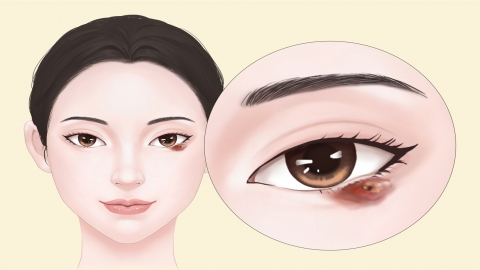
Styes can be managed through local warm compresses, maintaining eye hygiene, adjusting diet and作息 (lifestyle habits), avoiding eye irritation, and proper use of medications. The key principles are controlling inflammation and promoting pus drainage. If the stye continues to enlarge, pain worsens, or fever develops, prompt medical attention is recommended.
1. Local warm compress: Apply a warm towel at around 40°C to the affected area 3–4 times daily for 10–15 minutes each time. This helps improve blood circulation in the eye area, reduces swelling and pain, and assists in opening blocked meibomian glands.
2. Maintain eye cleanliness: Use sterile cotton swabs to gently clean the base of the eyelashes, removing residual oils or debris. Avoid rubbing the eyes with hands to reduce bacterial growth and prevent further spread of infection.
3. Adjust diet and作息 (sleep routine): Eat a light diet rich in vegetables and fruits, and avoid spicy or greasy foods. Ensure adequate sleep, avoid staying up late, minimize eye strain, and strengthen the body's resistance to support recovery.
4. Avoid eye irritation: Temporarily discontinue wearing contact lenses and using eye cosmetics such as eyeliner and mascara to reduce foreign body irritation. Do not squeeze or puncture the stye, as this may cause bacterial spread to the eye socket or even the cranial cavity.
5. Use medication appropriately: Under medical guidance, apply antibiotic eye drops or ointments when inflammation is evident. For severe pain, anti-inflammatory and analgesic medications may be used as needed, strictly following prescribed dosages and treatment duration.
In daily life, develop good eye-use habits: avoid prolonged screen time, keep eyes moist, regularly clean the skin around the eyes, avoid touching eyes with dirty hands, maintain a balanced diet rich in vitamins, and strengthen eye resistance to prevent recurrence.


