


Why do my eyes feel very tired and constantly fatigued?

Generally, feeling tired and fatigued in the eyes may be caused by insufficient sleep, excessive eye use, visual fatigue, dry eye syndrome, refractive errors, and other reasons. It is recommended to seek medical attention promptly, identify the underlying cause, and receive appropriate treatment under a doctor's guidance. Specific analysis is as follows:
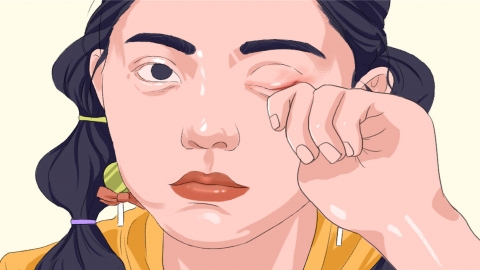
1. Insufficient Sleep: Long-term staying up late or poor sleep quality prevents adequate recovery of ocular nerves and muscles, leading to eye fatigue upon waking. Maintain regular sleep habits with 7–8 hours of sleep daily, avoid using mobile phones before bedtime, and promote relaxation through drinking warm milk or listening to white noise to fully relax the eyes.
2. Excessive Eye Use: Prolonged focus on electronic screens or close-up reading causes sustained contraction of the ciliary muscle without proper relaxation, impairing ocular blood circulation. Take a break every 30 minutes of screen use to look at distant objects for 5 minutes, adjust screen brightness to match ambient lighting, and maintain a distance of at least 30 cm between the eyes and the screen.
3. Visual Fatigue: Ocular muscles remain tense for extended periods, often accompanied by eye soreness and blurred vision, with symptoms worsening in bright or dim lighting. Patients should use eye drops such as compound methionine and vitamin B12 solution, naphazoline and antazoline eye drops, or sodium hyaluronate eye drops as prescribed. Performing eye exercises once or twice daily can also help relieve discomfort.
4. Dry Eye Syndrome: Reduced tear secretion or unstable tear film leads to inadequate lubrication and protection of the ocular surface, resulting in dryness and fatigue, with symptoms becoming more pronounced in windy conditions. Use artificial tears such as hydroxypropyl methylcellulose eye drops, polyethylene glycol eye drops, or carboxymethylcellulose sodium eye drops as directed by a physician. Using a humidifier indoors helps maintain optimal humidity levels.
5. Refractive Errors: Uncorrected myopia, hyperopia, or astigmatism forces the eyes to constantly adjust to see clearly, increasing eye strain. Undergo professional refraction testing first, wear properly prescribed eyeglasses, and if eligible, consider undergoing LASIK (laser in situ keratomileusis) surgery to reshape the cornea, correct vision, and reduce ocular burden.
In daily life, consume more foods rich in vitamin A and lutein, such as carrots and blueberries, and avoid rubbing the eyes. Wear protective goggles when outdoors to minimize irritation from wind, dust, and strong light. Comprehensive eye care can effectively improve eye fatigue.


