


What should a pregnant woman do if she has a stye in her eye?

Styes in pregnant women can be managed through physical warm compresses, eye cleaning, adjusting sleep schedule, maintaining a light diet, and using medication as directed by a physician. Self-medication should be avoided. If the stye becomes increasingly red and swollen, causes severe pain, or is accompanied by fever, prompt medical attention is recommended.
1. Physical Warm Compress: Apply a warm towel at around 40°C to the affected eye 3–4 times daily for 10–15 minutes each time to promote local blood circulation and help reduce inflammation. Be careful not to use excessive heat that could burn the delicate skin around the eyes.
2. Eye Cleaning: Use a sterile cotton swab dipped in saline solution to gently clean the base of the eyelashes, removing dirt and debris. Maintaining good eye hygiene helps reduce bacterial growth. Avoid rubbing the eyes or squeezing the stye.
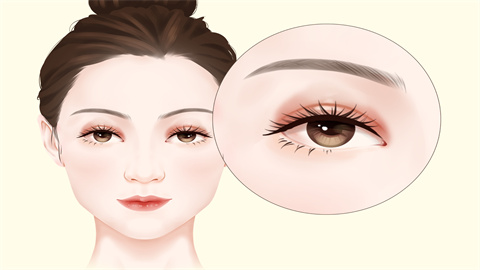
3. Adjust Sleep Schedule: Ensure adequate sleep, avoid staying up late and overusing the eyes. Reduce screen time on electronic devices to allow the eyes sufficient rest and support the body’s natural healing process.
4. Light Diet: Increase intake of fresh fruits and vegetables rich in vitamins, drink plenty of water, and avoid spicy or greasy foods to reduce systemic inflammation and provide nutritional support for eye recovery.
5. Medication as Directed: Do not use antibiotics or steroid medications without medical advice. Only use topical treatments considered safe during pregnancy under a doctor’s guidance, strictly following prescribed dosages to prevent potential risks to the fetus.
Daily precautions include maintaining good eye hygiene, thoroughly removing makeup, wearing eyeglasses instead of contact lenses, keeping indoor humidity at a comfortable level to prevent dry eyes, and engaging in moderate walking to improve overall health and reduce the risk of recurrent infections.


