


What are the causes of heterophoria?

The formation of phoria may be caused by factors such as imbalance in extraocular muscle strength, refractive errors, visual fatigue, conjunctivitis, or comitant strabismus. It is recommended to seek medical attention promptly, identify the underlying cause, and receive symptomatic treatment under a doctor's guidance. Specific analysis is as follows:
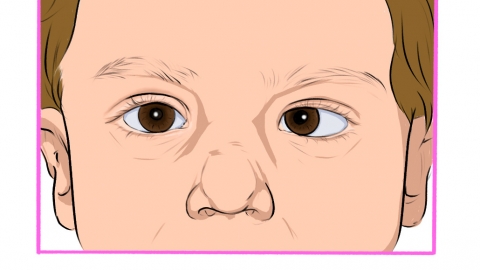
1. Imbalance in extraocular muscle strength: Incomplete development of extraocular muscles from birth can lead to muscular imbalance, preventing the eyes from working together stably. This can be improved through eye movement exercises, such as alternately focusing on near and distant objects for 10–15 minutes per session, 2–3 times daily, to enhance coordination of the extraocular muscles.
2. Refractive errors: Uncorrected refractive issues such as myopia, hyperopia, or astigmatism force both eyes to continuously adjust for clear vision, which may trigger phoria. Professional refraction testing should be performed first, followed by wearing appropriate eyeglasses or contact lenses based on the results. Regular follow-ups are necessary to adjust prescriptions as needed.
3. Visual fatigue: Prolonged close-up work causes sustained ciliary muscle tension, leading to eye discomfort and blurred vision, which may subsequently result in phoria. Medications such as compound methionine and vitamin B12 eye drops, naphazoline-antazoline eye drops, or sodium hyaluronate eye drops may be used as directed by a physician to relieve symptoms. Additionally, take a 5–10 minute break every 40 minutes of visual work by looking into the distance to relax the eyes.
4. Conjunctivitis: Inflammation caused by bacterial or viral infection of the conjunctiva can disrupt ocular muscle regulation and induce phoria. For bacterial infections, treatments may include levofloxacin eye drops, tobramycin eye drops, or chloramphenicol eye drops, as prescribed by a doctor. Avoid rubbing the eyes and maintain good ocular hygiene in daily life.
5. Comitant strabismus: Abnormal coordination of extraocular muscles prevents both eyes from fixating on the same target simultaneously; disease progression may lead to phoria. Treatment may involve extraocular muscle weakening surgery, which adjusts muscle balance to correct eye alignment. Postoperative visual function training is recommended to consolidate therapeutic outcomes.
Daily habits should include proper eye care: avoid prolonged use of electronic devices and ensure sufficient sleep to allow adequate eye rest. Maintain appropriate lighting and viewing distance during reading to reduce ocular strain.


