


What does it mean when the lower eyelid keeps twitching?

Under normal circumstances, persistent twitching of the lower eyelid may be caused by eye strain, mental stress, ocular inflammatory irritation, eyelid spasms, or facial muscle spasms. It is recommended to seek medical attention promptly, identify the underlying cause, and receive symptomatic treatment under a doctor's guidance. Specific causes are analyzed as follows:
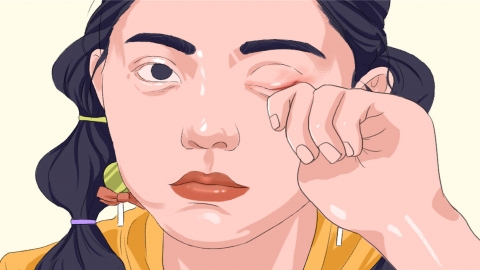
1. Eye strain: Prolonged screen time or staying up late can keep the eye muscles in a state of continuous tension, leading to involuntary contractions. Stop using your eyes immediately, close them to rest, look into the distance for 5 minutes every 40 minutes of screen use, ensure 7 hours of sleep each night, and apply warm compresses to the eyes as needed to relieve fatigue.
2. Mental stress: High stress, anxiety, or emotional fluctuations can increase nerve excitability, triggering contractions in the orbicularis oculi muscle. Practice relaxation techniques such as deep breathing and meditation, engage in 20 minutes of aerobic exercise daily, and avoid stimulants like coffee and strong tea.
3. Ocular inflammatory irritation: Inflammation from conditions such as conjunctivitis or keratitis can irritate surface nerves of the eye, causing eyelid twitching along with redness and increased eye discharge. Follow medical advice to use medications such as tobramycin eye drops, levofloxacin eye drops, or erythromycin eye ointment, and maintain good eye hygiene.
4. Eyelid spasms: Dysfunction of nerves around the eye leads to frequent, involuntary contractions of the eye muscles, often lasting long and recurring frequently. Follow a doctor’s instructions to take medications such as mecobalamin tablets, vitamin B1 tablets, or tiapride hydrochloride tablets, and consider physical therapies like acupuncture or massage to regulate nerve function.
5. Facial muscle spasms: Compression or irritation of the facial nerve initially presents as eyelid twitching, which gradually spreads to other facial muscles. Mild cases may be managed with medication, while severe cases may require microvascular decompression surgery to relieve vascular pressure on the nerve and correct abnormal facial muscle twitching.
In daily life, develop healthy eye-use habits and avoid rubbing your eyes. Protect your eyes from cold wind exposure. Maintain a regular sleep schedule and a calm mindset to reduce triggers of eyelid twitching and support overall eye and nervous system health.


