Does eyeglass prescription include astigmatism?
Nov 19, 2025
Source: Cainiu Health

Dr. Wang Lei
Introduction
Whether an eyeglass prescription includes astigmatism depends on the individual's eye condition. For those with only myopia or hyperopia, the prescription does not include astigmatism; however, if astigmatism is present, the prescription will contain relevant astigmatism parameters. A comprehensive refraction exam is necessary before obtaining glasses, and children and adolescents should undergo cycloplegic refraction to ensure accurate measurements. In daily use, proper care of eyeglasses is important to avoid lens scratches or damage that could impair vision.
Generally, whether an eyeglass prescription includes astigmatism correction depends on the individual's eye condition. For those with only myopia or hyperopia, the prescription does not include astigmatism; however, if astigmatism is present, the eyeglass prescription will contain relevant astigmatism parameters. The details are as follows:
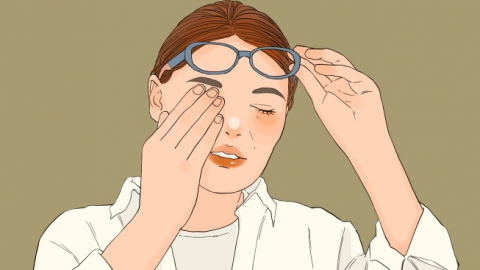
If the individual has simple myopia or hyperopia without astigmatism, only the spherical (SPH) refractive power needs to be determined during refraction testing, and thus the eyeglass prescription naturally excludes astigmatism. Such glasses are designed solely to correct abnormal focal positioning of parallel light rays, ensuring images focus properly on the retina to achieve clear vision.
If the individual also has astigmatism, the prescription will specify three parameters: spherical power, cylindrical power (CYL), and axis. Astigmatism results from an irregularly shaped cornea, which requires cylindrical lenses to correct uneven light refraction. Only with the combined action of spherical and cylindrical lenses can symptoms such as double or blurred vision be effectively corrected.
Prior to obtaining glasses, a comprehensive refraction exam is essential. In particular, children and adolescents should undergo cycloplegic refraction to ensure accurate measurements. Additionally, proper care of eyeglasses is important in daily life—avoid scratching or damaging the lenses, which could impair visual clarity.