


What should you eat if you have cataracts?

People with cataracts can generally consume foods such as spinach, oranges, nuts, oysters, and carrots. The detailed analysis is as follows:
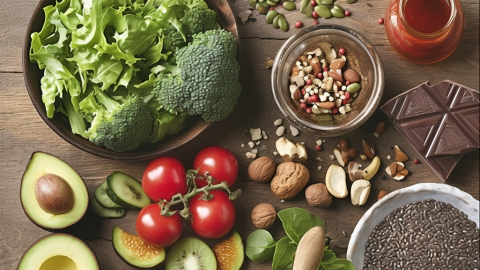
1. Spinach: Rich in lutein, which accumulates in the lens and helps filter harmful light, reducing damage to the lens and slowing the progression of cataracts. Spinach can be eaten with staple foods or prepared as a vegetable salad.
2. Oranges: High in vitamin C, which participates in redox reactions in the body, helping maintain lens transparency and reducing the risk of lens clouding. Oranges can be eaten directly or juiced (avoid filtering out too much pulp fiber).
3. Nuts: Rich in vitamin E, which has antioxidant properties that protect lens cell membranes from free radical damage and delay lens aging. Nuts can be consumed in moderation as daily snacks, but intake should be controlled to avoid excessive calorie consumption.
4. Oysters: High in zinc, an essential component of various enzymes in the eye involved in normal visual function. Adequate zinc intake helps maintain metabolic balance in the lens and may assist in cataract recovery. Oysters are best prepared using light cooking methods such as steaming or boiling.
5. Carrots: Rich in beta-carotene, which the body converts into vitamin A. This nutrient protects ocular surface tissues and supports normal eye function, helping reduce the impact of cataracts. Carrots can be stir-fried, stewed, or mashed into a puree for consumption.
Daily diet should emphasize balanced nutrition and avoid excessive intake of any single food. Additionally, regular ophthalmologic check-ups are important to monitor cataract progression. If vision loss begins to affect daily life, appropriate medical treatments should be promptly followed as advised by a healthcare professional.


