


What are the harms of using too many eye drops?

In general, overusing eye drops may lead to various eye problems. The main risks include damage to the ocular surface tissues, drug toxicity reactions, disruption of tear composition, increased bacterial resistance, and abnormally elevated intraocular pressure. A detailed analysis is as follows:
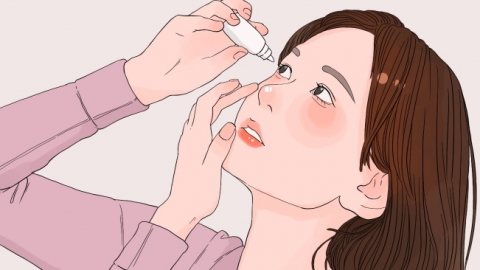
1. Ocular Surface Tissue Damage: Most eye drops contain preservatives. Frequent use can disrupt the stability of the tear film on the ocular surface, irritating corneal and conjunctival epithelial cells. Initial symptoms may include eye pain and redness. Long-term excessive use could lead to epithelial shedding, causing drug-induced conjunctivitis or keratitis, thereby worsening eye discomfort.
2. Drug Toxicity Reactions: The components of eye drops are absorbed through the ocular surface. Excessive use may result in drug concentrations exceeding safe levels, triggering toxic reactions. Local symptoms may include eyelid swelling and increased secretions. Some medications may also drain through the nasolacrimal duct into the nasal cavity and throat, causing a bitter taste, nausea, and increasing the body's metabolic burden.
3. Disruption of Tear Composition: Natural human tears have a stable composition. Overuse of eye drops can dilute the tears, impairing the tear film’s lubricating and protective functions. Pre-existing dry eye symptoms may worsen, leading to increased dryness, a pronounced foreign body sensation, and even blurred vision.
4. Increased Bacterial Resistance: Overusing antibiotic eye drops allows bacteria in the eye to gradually adapt to the medication, developing resistance. When effective antimicrobial treatment is truly needed later, the drugs may become significantly less effective, potentially leading to persistent infections, more difficult treatment, and even more severe eye infections.
5. Abnormally Elevated Intraocular Pressure: Overuse of steroid-containing eye drops can interfere with the normal circulation of aqueous humor, resulting in increased intraocular pressure. There may be no obvious symptoms initially, but long-term neglect can damage the optic nerve, increasing the risk of steroid-induced glaucoma. Severe cases may affect vision and cause irreversible damage.
Eye drops should be used strictly according to the instructions or medical advice. One to two drops per application are usually sufficient for effectiveness. Wash hands before administering drops, avoid contact between the bottle tip and the eye, regularly check the expiration date, and use promptly after opening to minimize potential risks.


