


Is pupil dilation required for strabismus examination?

In general, whether pupil dilation is needed when examining strabismus depends on the patient's age. Children and adolescents usually require pupil dilation, while most adults do not. The detailed analysis is as follows:
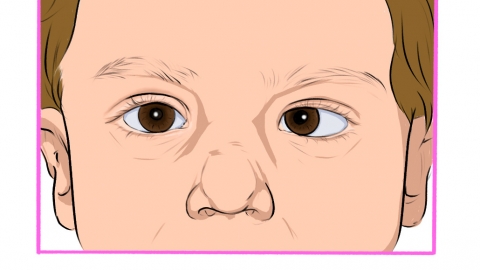
Children and adolescents have particularly strong ciliary muscle accommodation, which may mask underlying refractive errors such as hyperopia or astigmatism. These conditions can mimic strabismus or exacerbate its severity. Pupil dilation paralyzes the ciliary muscle, eliminates accommodative interference, and allows accurate assessment of the true refractive status. This helps doctors differentiate types of strabismus—for example, determining whether it is accommodative esotropia—and provides a reliable basis for subsequent treatment planning.
In adults, refractive status is generally stable and ciliary muscle accommodation has weakened. In most cases, the nature and degree of strabismus can be clearly evaluated through ocular alignment tests and eye movement examinations without pupil dilation. Dilation may only be recommended when significant refractive errors are present and suspected to be related to the strabismus, or during an adult’s first comprehensive strabismus evaluation, to further clarify the underlying cause.
In daily life, attention should be paid to children's eye-use habits. Avoid prolonged near-work, schedule regular vision check-ups, and promptly intervene if signs such as head tilting or squinting while viewing objects are observed in children.


