


What are the signs of blindness caused by glaucoma?

Under normal circumstances, glaucoma often presents clear warning signs before progressing to blindness. These main symptoms include a sudden decline in vision, gradual narrowing of the visual field, eye discomfort or aching, abnormal color perception, and distorted or blurred vision. A detailed analysis is as follows:
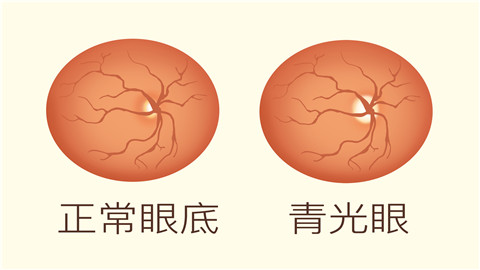
1. Sudden decline in vision: In early stages, glaucoma may only manifest as rapidly worsening myopia. As optic nerve damage progresses, vision may suddenly deteriorate, particularly at night or in dim lighting, with increasingly blurry vision. This vision loss is mostly irreversible; without timely intervention, it can quickly progress to blindness.
2. Gradual narrowing of the visual field: Pressure on the optic nerve causes progressive constriction of the visual field. Early changes are often overlooked, but as the disease advances, the field of vision becomes "tunnel-like," allowing the patient to see only a very narrow area straight ahead, eventually leading to complete blindness.
3. Eye discomfort or pain: When intraocular pressure rises sharply, significant eye swelling and pain may occur, sometimes radiating to the head, accompanied by nausea and vomiting. This discomfort is not temporary—it tends to recur and worsen over time—indicating ongoing optic nerve damage and serving as a critical warning sign before blindness.
4. Abnormal color perception: Optic nerve damage disrupts color signal transmission, reducing sensitivity to colors such as blue and green. Objects may appear dull or distorted, and patients may struggle to distinguish similar shades. This color vision impairment progressively worsens alongside optic nerve atrophy and vision loss.
5. Distorted or blurred vision: Some glaucoma patients may experience visual distortion prior to blindness, perceiving straight lines as bent and nearby objects as blurry—even corrective lenses cannot improve clarity. This occurs due to high intraocular pressure damaging the macula, impairing the sharpness and accuracy of visual images.
Immediate medical intervention is essential once any of these warning signs of glaucoma-related blindness appear. Regular eye pressure and fundus examinations should be part of routine care, especially for individuals with a family history of glaucoma. Early detection and treatment—through medication or surgery to control eye pressure—can preserve existing vision to the greatest extent possible and significantly reduce the risk of blindness.


