


Can normal eye pressure rule out glaucoma?

Normal intraocular pressure alone cannot completely rule out glaucoma, as the diagnosis of glaucoma requires comprehensive evaluation. Some glaucoma patients have intraocular pressures within the normal range, while individuals with elevated eye pressure also require additional tests for a definitive diagnosis; thus, diagnosis should not be based solely on a single measurement.
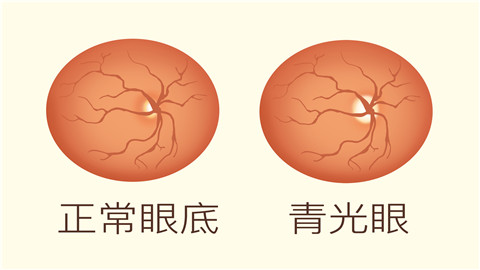
In clinical practice, normal-tension glaucoma exists—patients with this condition maintain intraocular pressure within the normal range of 10–21 mmHg, yet still experience progressive optic nerve atrophy and visual field loss. This occurs because individuals vary in their optic nerve tolerance to pressure; some have lower thresholds, meaning even normal eye pressure can cause damage. Such cases are easily overlooked due to normal pressure readings, leading to delayed intervention.
Elevated intraocular pressure is a major risk factor for glaucoma but not the sole diagnostic criterion. Some individuals may have temporarily high eye pressure without optic nerve damage—this is known as ocular hypertension, not glaucoma. Therefore, one should not become complacent simply because eye pressure is normal, nor assume glaucoma based solely on elevated pressure. A thorough assessment including optic nerve status and visual field testing is essential.
High-risk groups, such as those with a family history of glaucoma or high myopia, should undergo comprehensive eye examinations every six months to one year. In daily life, avoid prolonged head-down positions, extreme emotional fluctuations, and extended periods in dim lighting, adopting scientifically informed protective measures to reduce risks to eye health.


