Is cataract a whitening of the eyeball?
Nov 19, 2025
Source: Cainiu Health

Dr. Liu Wenmin
Introduction
If we consider the typical presentation of cataracts, the lens is located inside the eyeball, behind the pupil, and is normally transparent. When affected by disease, the lens gradually becomes cloudy, initially appearing pale yellow and turning white or grayish-white as the condition progresses. From external observation, the pupil area appears white, rather than the entire eyeball turning white. This change obstructs light from entering the eye, leading to a gradual decline in vision.
Under normal circumstances, cataracts do not cause the entire eyeball to turn white. Instead, they lead to clouding of the lens inside the eye, which appears white or grayish-white, typically manifesting as a whitening of the pupil area. If you have any concerns, it is recommended to seek medical consultation promptly. Detailed analysis is as follows:
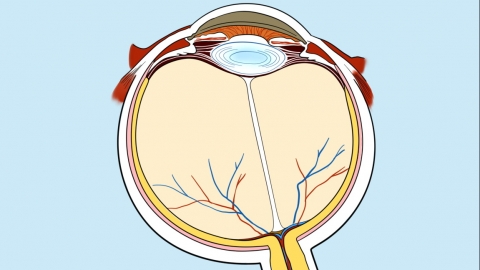
From the typical presentation of cataracts, the lens is located behind the pupil within the eye and is normally transparent. When affected by disease, the lens gradually becomes cloudy—initially appearing pale yellow and progressing to white or grayish-white as the condition advances. Externally, this manifests as a whitened appearance in the pupil area, rather than the entire eyeball turning white. This change obstructs light from entering the eye, leading to progressively declining vision, one of the main characteristics of cataracts.
If the entire eyeball appears white, it is more likely related to other eye conditions, such as severe keratitis causing corneal opacity, intraocular tumors, or tissue damage due to ocular trauma. These conditions differ from cataracts, which specifically involve lens clouding. They may be accompanied by symptoms such as eye pain, redness, swelling, or sudden vision loss. Professional examination is necessary to identify the underlying cause and avoid misdiagnosis or delayed treatment due to confusion with cataracts.
In daily life, regularly observe the appearance of your eyes. Seek prompt medical evaluation if you notice abnormal whitening of the pupil area or progressive vision decline. Avoid eye injuries and minimize risk factors for lens clouding. Once diagnosed with cataracts, follow medical advice to determine the appropriate timing for treatment, and remain vigilant for other unusual eye symptoms to maintain overall eye health.