Which department should I visit for frequent blinking?
Nov 19, 2025
Source: Cainiu Health

Dr. Zhang Baohua
Introduction
In general, frequent eye blinking should be evaluated by selecting the appropriate medical specialty based on specific causes. Common departments for consultation include ophthalmology, pediatrics, neurology, psychiatry, and allergy. Daily care should focus on maintaining eye hygiene, avoiding prolonged screen time, minimizing eye rubbing, and seeking timely medical evaluation if symptoms persist to determine the underlying cause.
Generally, frequent blinking should be evaluated by identifying the specific underlying cause and choosing the appropriate medical specialty accordingly. Common departments for consultation include ophthalmology, pediatrics, neurology, psychiatry/psychology, and allergy. The details are as follows:
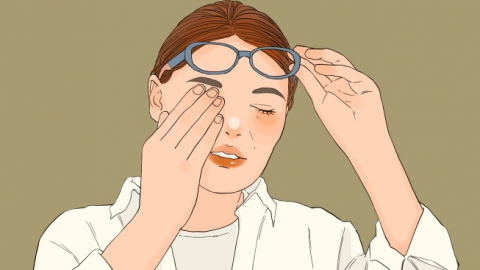
1. Ophthalmology: Eye conditions are among the most common causes of excessive blinking. For example, conjunctivitis or keratitis may lead to eyelid spasms due to inflammatory irritation; dry eye syndrome can cause itchy, dry eyes from insufficient tear production, prompting increased blinking; and trichiasis (inward-growing eyelashes) can cause discomfort due to lashes rubbing against the eyeball. These conditions require an ophthalmologic examination to determine the exact cause, followed by targeted treatments such as eye drops or other therapies.
2. Pediatrics: In children, frequent blinking is often related to habitual behaviors or early signs of tic disorders. Some children may develop a blinking habit through imitation or curiosity, while children with tic disorders may exhibit additional repetitive movements such as eyebrow twitching or nose sniffing. A pediatrician can conduct professional assessments to differentiate between these causes and provide appropriate interventions.
3. Neurology: Abnormalities in neuromuscular function can also result in excessive blinking, such as blepharospasm, which manifests as involuntary eyelid closure or frequent blinking, often associated with neurotransmitter imbalances. Neurologists may use tests like electromyography (EMG) to evaluate potential nerve disorders and develop corresponding treatment plans.
4. Psychiatry/Psychology: Prolonged mental stress, anxiety, or high pressure can keep the nervous system in a state of hyperexcitability, leading to physical symptoms such as frequent blinking. These cases are typically not caused by organic disease but rather psychological factors. Evaluation and counseling by a mental health professional can help address emotional issues and alleviate symptoms.
5. Allergy: Exposure to allergens such as pollen or dust mites may trigger allergic reactions in the ocular mucosa, resulting in symptoms like itchy eyes, tearing, and frequent blinking. An allergist can perform allergy testing to identify the specific sensitizing substances and guide patients in avoiding triggers as well as providing appropriate anti-allergic treatment.
In daily life, it's important to maintain good eye hygiene, avoid prolonged screen time, and minimize eye rubbing. If symptoms persist, prompt medical evaluation is recommended to determine the correct course of action.