


How to reduce redness from dry eye syndrome

In general, methods to alleviate redness caused by dry eye syndrome mainly include basic care, physical relief, medication, nutritional supplementation, and controlling underlying causes. Specific analysis is as follows:
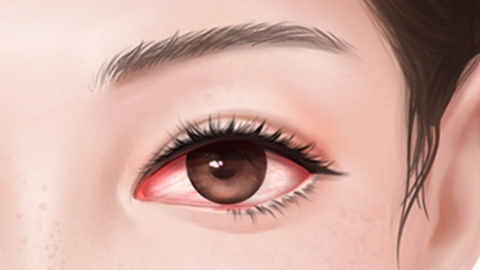
1. Basic Care
Maintaining eye moisture is key. Frequent blinking helps stimulate tear secretion and avoids prolonged staring at electronic screens. Keep indoor humidity at a comfortable level, avoid direct exposure of the eyes to air conditioning airflow, and wear wind-protective goggles when outdoors to reduce environmental irritation to the ocular surface.
2. Physical Relief
Warm compresses are commonly used. Applying a warm towel at around 40°C to the eyes for 10–15 minutes can improve ocular blood circulation, enhance meibomian gland function, and help distribute tears evenly. Meibomian gland massage can be performed along with warm compresses—gently pressing along the eyelid margins helps unclog blocked glands and improves tear quality.
3. Medication
Artificial tears are the first-line treatment, such as sodium hyaluronate eye drops or polyethylene glycol eye drops, which directly supplement tears. If allergies are present, antihistamines like cetirizine hydrochloride tablets or fexofenadine hydrochloride tablets may be used under medical guidance. For significant inflammation, anti-inflammatory eye drops such as pranoprofen or fluorometholone eye drops may be added.
4. Nutritional Supplementation
Incorporate foods rich in Omega-3 fatty acids into your daily diet, such as deep-sea fish and flaxseeds, which help stabilize the tear film and reduce tear evaporation. Also ensure adequate intake of vitamin A through foods like carrots and animal liver to maintain healthy ocular surface epithelial cells.
5. Controlling Underlying Causes
Conditions such as hyperthyroidism and diabetes may worsen symptoms and require active management of the primary disease. Avoid long-term use of preserved eye drops, reduce contact lens wearing time, quit smoking, and avoid secondhand smoke to minimize ocular irritation at its source.
In addition, patients should follow medical advice for proper medication use and undergo regular follow-up examinations. If eye redness persists or worsens, or if symptoms such as vision loss or eye pain occur, prompt medical consultation is necessary to adjust the treatment plan and prevent disease progression.


