


What causes the sensation of always feeling something in the eye, and what should be done about it?
Nov 19, 2025
Source: Cainiu Health

Dr. Wang Lei
Introduction
In general, the sensation of having something in the eye may be caused by foreign bodies in the eye, eye strain, conjunctivitis, keratitis, or blepharitis. If discomfort occurs, it is recommended to seek timely medical evaluation and treatment at a reputable hospital. It's important to develop good eye-use habits, avoid rubbing eyes with dirty hands, maintain humid indoor air to reduce irritation from foreign particles, have regular vision check-ups, and practice proper eye care.
Generally, a persistent sensation of something in the eye may be caused by foreign bodies in the eye, eye strain, conjunctivitis, keratitis, or blepharitis. If discomfort occurs, it is recommended to seek timely medical evaluation and treatment at a reputable hospital. Specific causes are analyzed as follows:
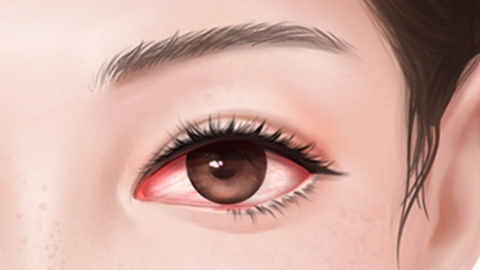
1. Foreign Body in the Eye
Particles such as sand or fibers entering the eye can adhere to the surface of the eyeball or inner eyelid, stimulating the conjunctiva and causing a foreign body sensation. Avoid rubbing the eyes; instead, gently blink to allow tears to flush out the object. If ineffective, use a clean cotton swab moistened with normal saline to carefully remove the object, or seek medical assistance.
2. Eye Strain
Prolonged screen time or close-up visual tasks can lead to eye muscle tension, reduced tear secretion, and faster tear evaporation, resulting in dryness of the ocular surface and a sensation of a foreign body. Immediately stop using the eyes, look into the distance to relax, apply a warm towel compress for 10 minutes, and take a 5-minute break every 40 minutes of eye use in daily life.
3. Conjunctivitis
Inflammation of the conjunctiva caused by bacterial or viral infections or allergies leads to conjunctival redness, swelling, increased secretions, and a foreign body sensation. For bacterial conjunctivitis, use levofloxacin eye drops, tobramycin eye drops, or erythromycin eye ointment as directed by a physician. For allergic conjunctivitis, use sodium cromoglycate eye drops, olopatadine hydrochloride eye drops, or loratadine tablets.
4. Keratitis
Inflammation of the cornea due to injury or infection damages the corneal epithelium, exposing nerve endings and causing a pronounced foreign body sensation along with photophobia and tearing. Bacterial keratitis can be treated with cefazolin sodium eye drops, ofloxacin eye drops, or natamycin eye drops. In severe cases, corneal transplantation may be required. Avoid strong light exposure during treatment.
5. Blepharitis
Excessive sebum secretion at the eyelid margin combined with bacterial infection causes inflammation, leading to redness, swelling, and increased scaling at the eyelid edge, which irritates the eye and produces a foreign body sensation. Under medical guidance, use zinc sulfate eye drops, metronidazole gel, or minocycline hydrochloride capsules, and clean the eyelid margin daily with normal saline.
Maintain good eye habits: avoid rubbing eyes with dirty hands; keep indoor air humidified to reduce irritation from foreign particles; have regular vision checkups and practice proper eye care. Seek prompt medical attention if the sensation of a foreign body worsens continuously or is accompanied by vision loss to ensure accurate diagnosis.





