


Which department should I visit for double vision in both eyes?

In general, double vision (diplopia) can be evaluated by different departments depending on the underlying cause, such as ophthalmology, neurosurgery, neurology, endocrinology, or otolaryngology. The details are as follows:
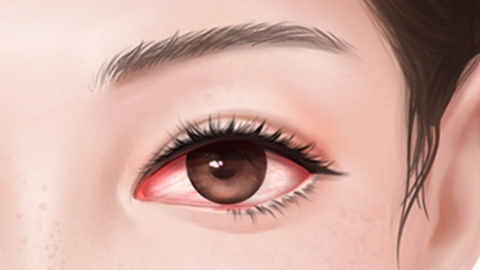
1. Ophthalmology
Ophthalmology is the primary department for initial evaluation of double vision caused by ocular conditions such as extraocular muscle palsy, lens dislocation, or refractive errors. Doctors perform vision tests, eye alignment assessments, and fundus examinations to identify ocular abnormalities, and may correct visual disturbances with glasses, eye muscle exercises, or surgery.
2. Neurosurgery
If double vision results from intracranial tumors, cerebrovascular malformations, or traumatic brain injury compressing the visual pathways, patients should consult neurosurgery. These conditions may threaten neurological function. Physicians use imaging studies to locate lesions and may recommend surgical intervention to relieve compression or repair damage.
3. Neurology
When double vision is accompanied by symptoms such as limb numbness, headache, or slurred speech, it may indicate neurological disorders like optic neuritis or cerebral infarction, requiring evaluation by neurology. Doctors assess neurological function and conduct blood tests to determine the cause, then prescribe medications to improve nerve function and alleviate diplopia.
4. Endocrinology
Abnormal thyroid function often leads to extraocular muscle involvement and subsequent double vision, necessitating an endocrinology consultation. Physicians evaluate thyroid function through laboratory testing and develop treatment plans involving medication or hormone regulation to normalize hormone levels, reduce muscle damage, and improve visual symptoms.
5. Otolaryngology (ENT)
Dysfunction of the inner ear's balance system may disrupt visual coordination and lead to diplopia. When associated with dizziness or tinnitus, patients should see an otolaryngologist. Doctors use hearing tests and vestibular function assessments to diagnose the issue and may prescribe medications or physical therapy to restore inner ear balance and relieve double vision.
In addition, if patients are uncertain about which department to visit, they may seek guidance from the hospital’s patient service desk. It is important in daily life to protect the head and eyes from trauma, manage underlying medical conditions, and seek prompt medical attention when double vision occurs to avoid disease progression.


