


How to relieve the sensation of a foreign body in the eye

Generally, a foreign body sensation in the eyes may be caused by eye strain, environmental irritation, conjunctivitis, keratitis, or meibomian gland dysfunction. Individuals can choose appropriate methods to alleviate symptoms based on their specific conditions. Detailed analysis is as follows:
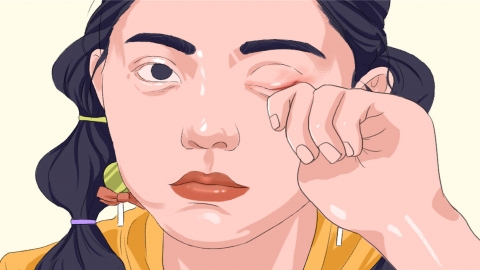
1. Eye Strain
Prolonged close-up visual tasks cause ciliary muscle tension, reduce tear secretion, and accelerate tear evaporation, leading to dryness of the ocular surface and a foreign body sensation. To relieve this, take a 5-minute break every 30 minutes of near work to look into the distance, apply a warm towel compress to the eyes for 10 minutes, and maintain an appropriate indoor humidity level.
2. Environmental Irritation
Wind, sand, dust, or strong light can irritate the ocular surface mucosa, disrupt the stability of the tear film, and result in a foreign body sensation. Wear protective goggles when outdoors, rinse the eyes with normal saline, and avoid direct exposure to intense light.
3. Conjunctivitis
Inflammation of the conjunctiva caused by bacterial or viral infection leads to conjunctival redness, swelling, and mucus secretion, which stimulates the eye and causes a foreign body sensation. For bacterial conjunctivitis, use tobramycin eye drops, levofloxacin eye drops, or cefaclor capsules as directed by a physician. For viral conjunctivitis, acyclovir eye drops, ganciclovir ophthalmic gel, or ribavirin tablets may be used.
4. Keratitis
Inflammatory infiltration occurs in the cornea following injury or infection, damaging the corneal epithelium and causing a significant foreign body sensation accompanied by photophobia and tearing. Treatment under medical guidance may include fluorometholone eye drops, pranoprofen eye drops, or tobramycin-dexamethasone ointment. In severe cases, corneal transplantation may be required.
5. Meibomian Gland Dysfunction
Abnormal secretion from the meibomian glands results in deficiency of the lipid layer of tears, accelerating tear film breakup and causing ocular surface dryness and a foreign body sensation. Treatments under medical supervision include sodium hyaluronate eye drops, polyethylene glycol eye drops, and cyclosporine eye drops, combined with meibomian gland massage. In some cases, meibomian gland probing may be necessary.
In daily life, maintain regular sleep patterns and avoid staying up late or overusing the eyes. Pay attention to eye hygiene and avoid rubbing the eyes with dirty hands. If the foreign body sensation persists or is accompanied by vision loss, seek timely medical attention for professional diagnosis and treatment to relieve discomfort.


