How to treat under-eye bags
Nov 19, 2025
Source: Cainiu Health

Dr. Wang Lei
Introduction
Treatment methods for under-eye bags include lifestyle adjustments, physical care, injectable fillers, laser therapy, and surgical removal. The choice of treatment depends on the type and severity of the under-eye bags. Non-surgical approaches are suitable for mild cases, while surgical methods are recommended for moderate to severe conditions. If under-eye bags are accompanied by symptoms such as eye pain or blurred vision, prompt medical evaluation is advised.
Methods for treating eye bags include lifestyle adjustments, physical care, injectable fillers, laser therapy, and surgical removal. The appropriate method should be selected based on the type and severity of the eye bags. Non-surgical methods are suitable for mild cases, while surgical approaches are recommended for moderate to severe conditions. If eye bags are accompanied by symptoms such as eye pain or blurred vision, prompt medical evaluation is advised.
1. Lifestyle adjustments: Improve habits such as staying up late and excessive eye strain, reduce salt intake to prevent periorbital edema, ensure sufficient sleep and a balanced diet, and supplement with vitamins to promote eye-area metabolism, thereby alleviating temporary eye bags caused by fatigue.
2. Physical care: Use cold compresses to constrict blood vessels around the eyes and reduce swelling, and warm compresses to improve local blood circulation. Combine these with gentle eye massage to relax muscles. Consistent long-term practice can improve mild fat accumulation or edema-related eye bags.
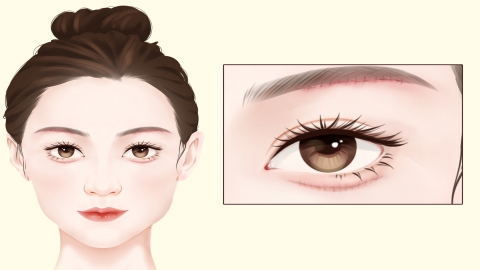
3. Injectable fillers: Inject hyaluronic acid or similar materials into the depressed area below the eye bag to fill the contour difference between tear troughs and eye bags, visually softening the appearance of eye bags. This method is ideal for tear trough-type eye bags or mild eye bags accompanied by hollowing.
4. Laser treatment: Utilizes the thermal effect of lasers to tighten the skin around the eyes and dissolve small amounts of fat. It is minimally invasive with a quick recovery, suitable for patients with mild to moderate eye bags who do not have significant skin laxity.
5. Surgical removal: Includes transconjunctival (internal) and external approaches. The internal approach removes excess orbital fat, while the external approach removes both excess fat and loose skin. This is suitable for moderate to severe eye bags with prominent fat protrusion or significant skin laxity.
Daily protection includes shielding the eye area from sun exposure to prevent skin aging, using gentle eye care products, avoiding vigorous rubbing of the eyes, and maintaining regular sleep patterns and moderate exercise to reduce factors that contribute to the development or worsening of eye bags.